

 Taste Dominican Republic
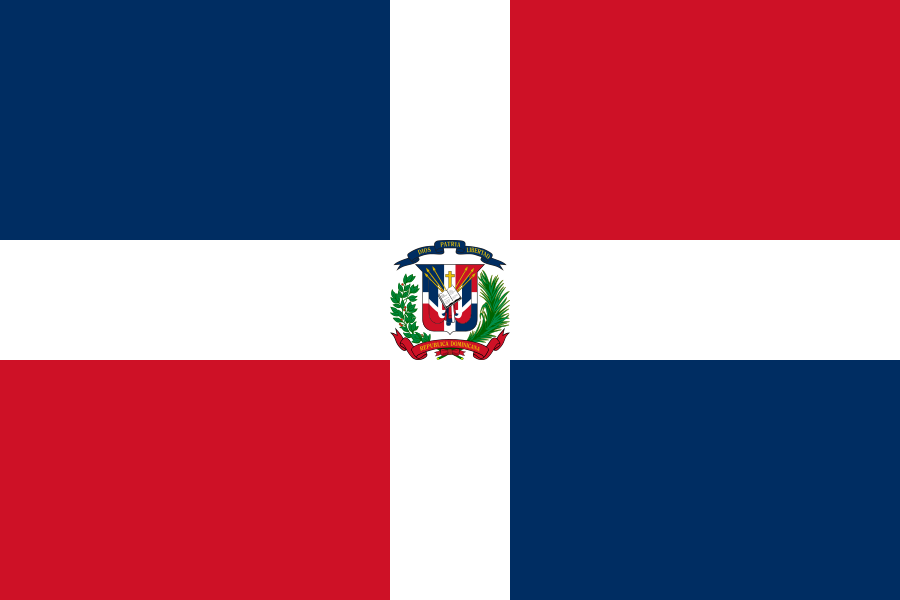
República Dominicana
The eastern two thirds of Hispaniola, where plantain, rice, beans and slow-stewed meat make up the daily plate and sancocho makes up the party.
Dominican food is built on plantain in every state: green and mashed for mangú, green and fried for tostones, ripe and fried for maduros. Lunch is la bandera, rice with stewed beans and braised meat, eaten at noon across the country. Pork is roasted for Christmas, goat is stewed in the north, and the coast fries fish with coconut. Sweet things lean on coconut, condensed milk and spice: habichuelas con dulce at Easter, dulce de leche, flan. Breakfast is mangú with fried cheese, salami and eggs, and strong sweet coffee.
5 recipes · 1 cuisine
All dishes 5
- 45 min

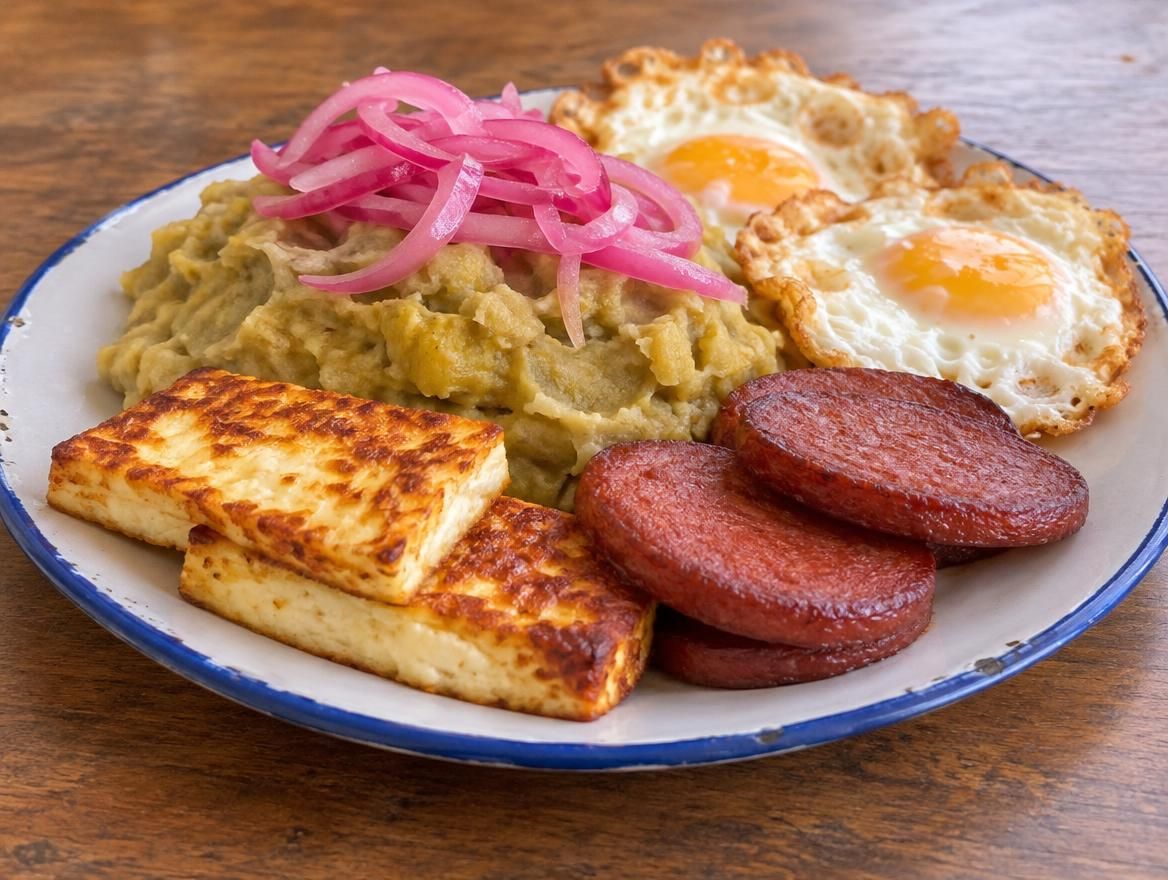
Mangú con los tres golpes
Dominican mashed green plantain with pickled red onion, served with fried cheese, fried salami and eggs — the three hits.
Easy
- 1 hr 30 min

La bandera dominicana
White rice, stewed red beans and braised chicken — the Dominican flag on a plate, eaten at lunchtime across the country.
Medium
- 2 hr 40 min

Sancocho dominicano
Sancocho
The Dominican celebration stew: several meats simmered with plantain, pumpkin, yam, corn and potato until the broth turns thick and golden.
Medium
- 25 min

Tostones
Green plantain slices fried, flattened and fried again until crisp outside and tender within. Salt, garlic, and eat them hot.
Easy
- 4 hr

Habichuelas con dulce
Sweet red bean cream with coconut milk, cinnamon, clove, sweet potato and raisins — the Dominican Lenten dessert eaten cold.
Easy
Regional cuisines
Think you know Dominican Republic food?
4 quiz dishes. Optional — Passport stamps still come from cooking.
Take the Dominican Republic food quizFood history
Taíno cooking left cassava bread, the word barbacoa and a taste for root vegetables. Spanish colonists brought rice, pork, cattle, olives and the sofrito that starts most pots. Enslaved West Africans brought plantain, pigeon peas, okra and the mashing and frying techniques behind mangú and mofongo. Twentieth-century industry added salami, frying cheese and tinned milk, now treated as traditional. Emigration to New York since the 1960s made Dominican food a fixture of Washington Heights and the Bronx.
Common ingredients
Techniques
- mashing boiled plantain
- twice-frying
- braising in burnt sugar
- stewing beans with squash
- one-pot sancocho
- sofrito base