
Panamanian
Cocina panameña
A crossroads cuisine of rice, corn, yuca and plantain, seasoned with culantro and shaped by Spanish, Afro-Antillean, indigenous and Chinese cooks.
Panama's cooking formed along a trade route. Indigenous maize and yuca met Spanish rice, beef and preserved goods in the colonial period, when the isthmus carried silver and people between oceans. Enslaved Africans and, much later, the Afro-Antillean workers who built the railway and canal brought coconut cooking, saltfish and hot pepper. Chinese migrants opened shops and restaurants in every town. The interior provinces, especially the Azuero peninsula, keep the older Spanish-creole dishes: sancocho, tamales, bollos and chicheme.
Culantro is the signature herb, stronger than coriander, and it goes into sancocho, rice and stews. Achiote gives colour. Corn is used fresh-ground and unlimed, which makes Panamanian tortillas and tamales taste different from Mexican ones. Much of breakfast is deep-fried. Olives, capers and raisins turn up in tamales and rice in the Spanish way. Seasoning is gentle, and ají chombo, a habanero type, is added by those who want it.
Countries and regions
Azuero peninsula · Panama City and the canal zone · Colón and Bocas del Toro · Chiriquí
Dishes 3
- 1 hr 25 min

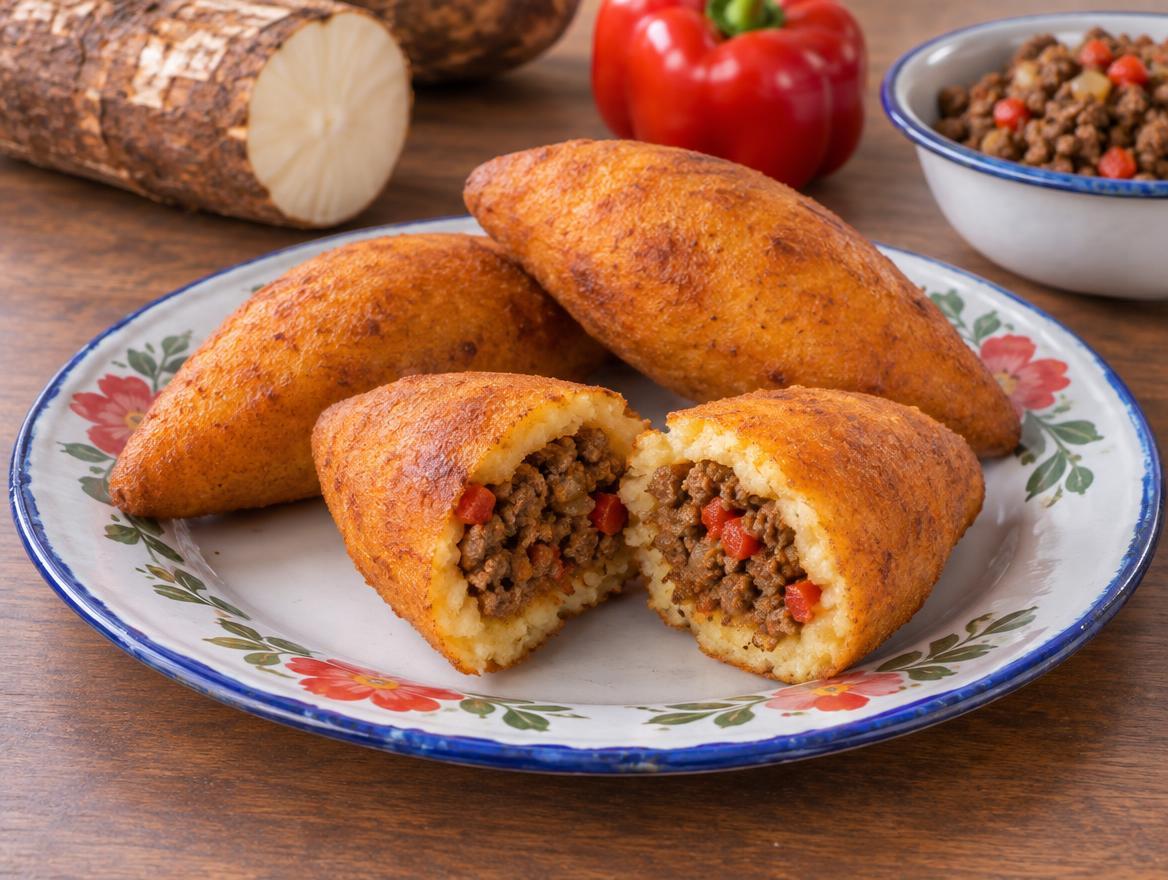
Carimañolas
Torpedo-shaped fritters of mashed yuca filled with seasoned minced beef and fried crisp. A Panamanian breakfast.
PanamaMedium
- 2 hr 20 min

Tamal de olla
Panamanian pot tamal: corn masa cooked in chicken broth, folded with stewed chicken, olives, capers and raisins, and baked until set.
PanamaMedium
- 12 hr 40 min

Chicheme
A cold, thick Panamanian drink of soft-cooked white corn in sweet milk with cinnamon, nutmeg and vanilla. Drunk with a spoon.
PanamaEasy