
 Taste Panama
Panamá
The isthmus between two oceans, where Latin American, Afro-Caribbean and indigenous cooking meet around rice, corn, yuca and plantain.
Panamanian food is milder than its geography suggests. Rice is eaten daily, often cooked with coconut, pigeon peas or chicken. Sancocho, a chicken and yam soup scented with culantro, is the national dish and the standard cure for a long night. Breakfast is fried: hojaldres, corn tortillas, carimañolas and yuca. Corn is boiled and ground fresh for tamales, bollos and the cold drink chicheme. Both coasts supply fish, prawns and ceviche. Afro-Antillean cooking from Colón and Bocas del Toro adds coconut rice, saltfish and the hot ají chombo pepper.
3 recipes · 1 cuisine
All dishes 3
- 1 hr 25 min

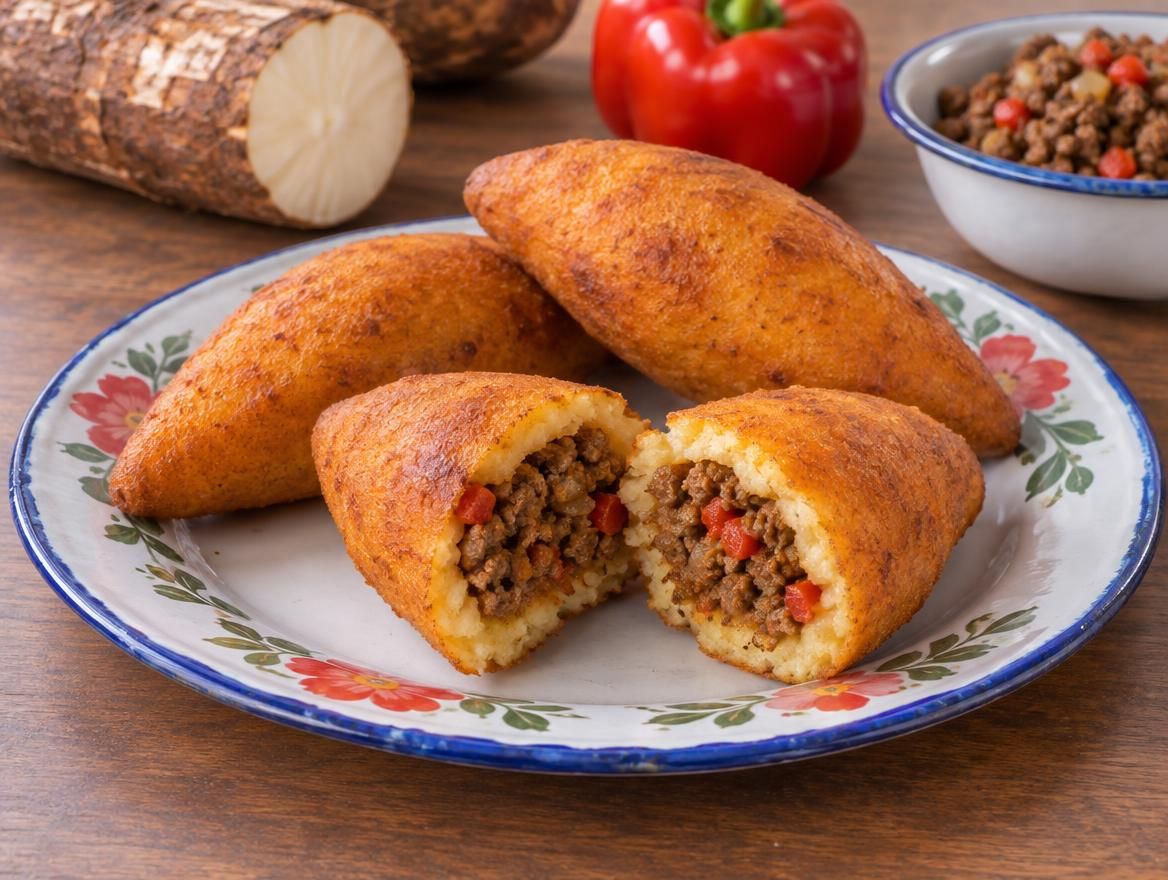
Carimañolas
Torpedo-shaped fritters of mashed yuca filled with seasoned minced beef and fried crisp. A Panamanian breakfast.
Medium
- 2 hr 20 min

Tamal de olla
Panamanian pot tamal: corn masa cooked in chicken broth, folded with stewed chicken, olives, capers and raisins, and baked until set.
Medium
- 12 hr 40 min

Chicheme
A cold, thick Panamanian drink of soft-cooked white corn in sweet milk with cinnamon, nutmeg and vanilla. Drunk with a spoon.
Easy
Regional cuisines
Think you know Panama food?
3 quiz dishes. Optional — Passport stamps still come from cooking.
Take the Panama food quizFood history
Indigenous peoples of the isthmus, among them the ancestors of the Guna, Ngäbe and Emberá, grew maize and yuca and fished both seas. Spain made Panama a crossing point for trade from the sixteenth century, bringing rice, cattle, olives and capers, and enslaved Africans. The railway in the 1850s and the canal, finished in 1914, drew workers from Jamaica, Barbados, China and elsewhere, and their cooking stayed. Chinese restaurants and Antillean bakeries are as Panamanian as sancocho.