Seafood
Clams
Also called littleneck clams, chopped clams
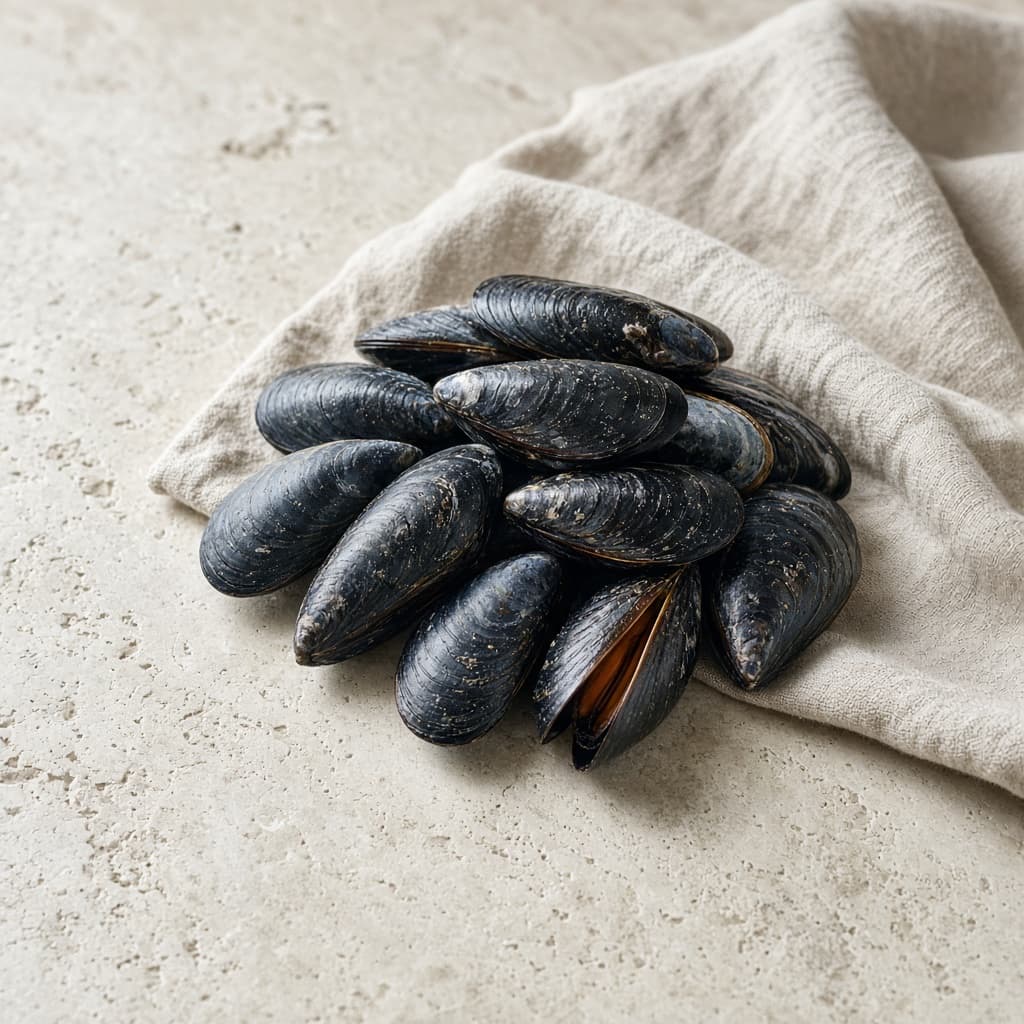
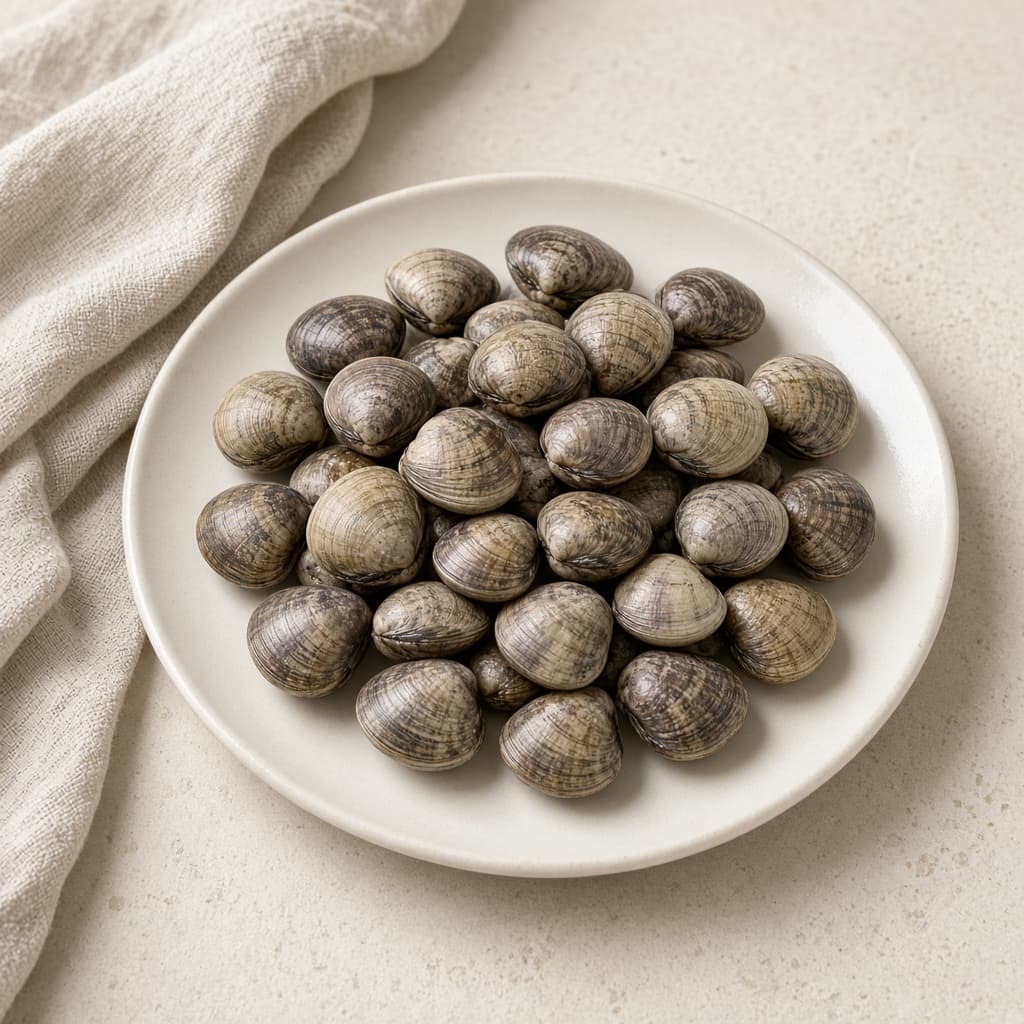
Bivalves — littlenecks, cherrystones, chopped tinned clams — the meat of New England chowder and a different animal from mussels. Live clams should smell of clean sea, not ammonia, and their shells should shut when tapped. Tinned chopped clams are the weeknight chowder, not a failure.
Origin
Atlantic and Pacific coasts, wild and farmed. The cream chowder is a northeastern American pot; other coasts steam them with wine or stuff them. The tin is industrial convenience from the same waters.
Flavour
Briny, sweet, mineral, with a liquor you should treat as stock. Overcooked clams are pencil erasers. Tinned clams taste cooked already — add them late.
How to use it
Purge live clams in cold salted water if they are sandy, then steam until they open and chop for chowder, or leave them whole. Discard any that stay shut after cooking. For a weeknight chowder, the tin plus its juice goes in after the potatoes are tender so the meat does not toughen. Do not salt the pot blindly; taste the liquor first. Mussels are sweeter and thinner-shelled — they will not give you the same chew. Never cook clams that smell of bleach or stone-cold dead fish.
Storage
Live on ice, cooked the day you buy them, never under fresh tap water in a sealed bag. Tins in the pantry; leftover opened clams, fridge, a day at most.
Recipes using it
Checking your allergy settings…