Seafood
Japanese fish cake
練り物
Also called nerimono, kamaboko, chikuwa, satsuma-age, hanpen, surimi
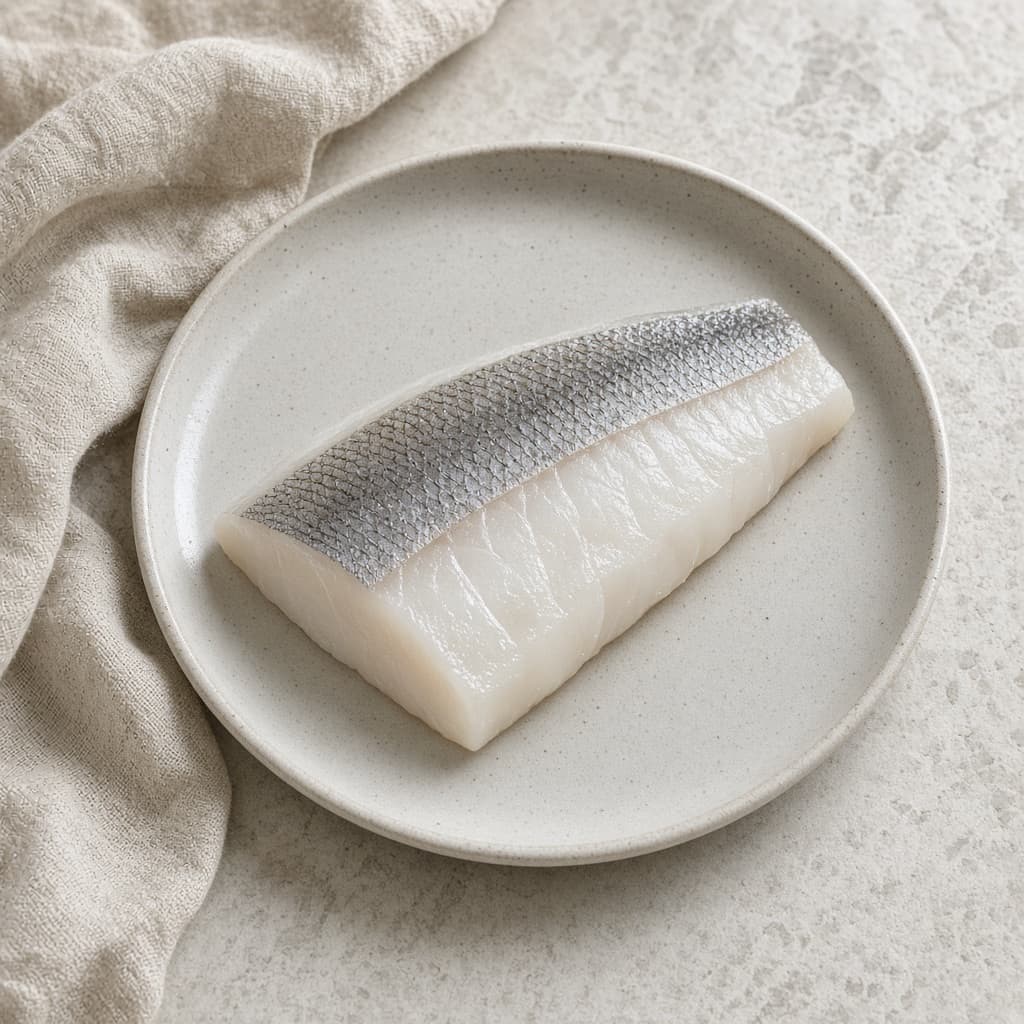
Fish paste, mostly white fish, ground with salt and starch and shaped before it is steamed, grilled or fried. The family name is nerimono. Kamaboko is the steamed half-moon log with a pink rim, chikuwa the grilled tube, satsuma-age the fried patty, and hanpen the soft, puffy white square.
Origin
Japan, where kamaboko goes back at least to the 14th century as a way of keeping a catch. Most fish cake today is made from Alaska pollock surimi, much of it processed at sea.
Flavour
Mild, sweet and lightly salty, with a bouncy, springy bite. Fried kinds taste richer; hanpen is soft and almost marshmallowy.
How it is made
Fish is minced, washed, ground with salt until sticky, then mixed with starch, sugar and often egg white or wheat starch before it is shaped and cooked.
How to use it
Slice kamaboko into soups, noodles and chawanmushi. Simmer chikuwa, satsuma-age and fish balls in oden, pouring boiling water over the fried ones first to take off some of the oil. Chikuwa is also stuffed with cucumber or cheese as a snack, or fried in tempura batter.
Storage
Keep it in the fridge and eat it by the date on the packet, usually within a week of opening. Most kinds freeze for a month, though hanpen goes spongy.
Recipes using it
Chawanmushi
茶碗蒸し
A silky savoury egg custard set with dashi in a lidded cup, hiding chicken, prawn, shiitake and fish cake. Steamed gently in a pot; no steamer needed.
Medium
Oden
おでん
A winter pot of daikon, eggs, kombu knots and fish cakes left to soak in a light soy dashi until they taste of it. Eaten with hot mustard, better the next day.
Easy