


Kitfo
ክትፎ
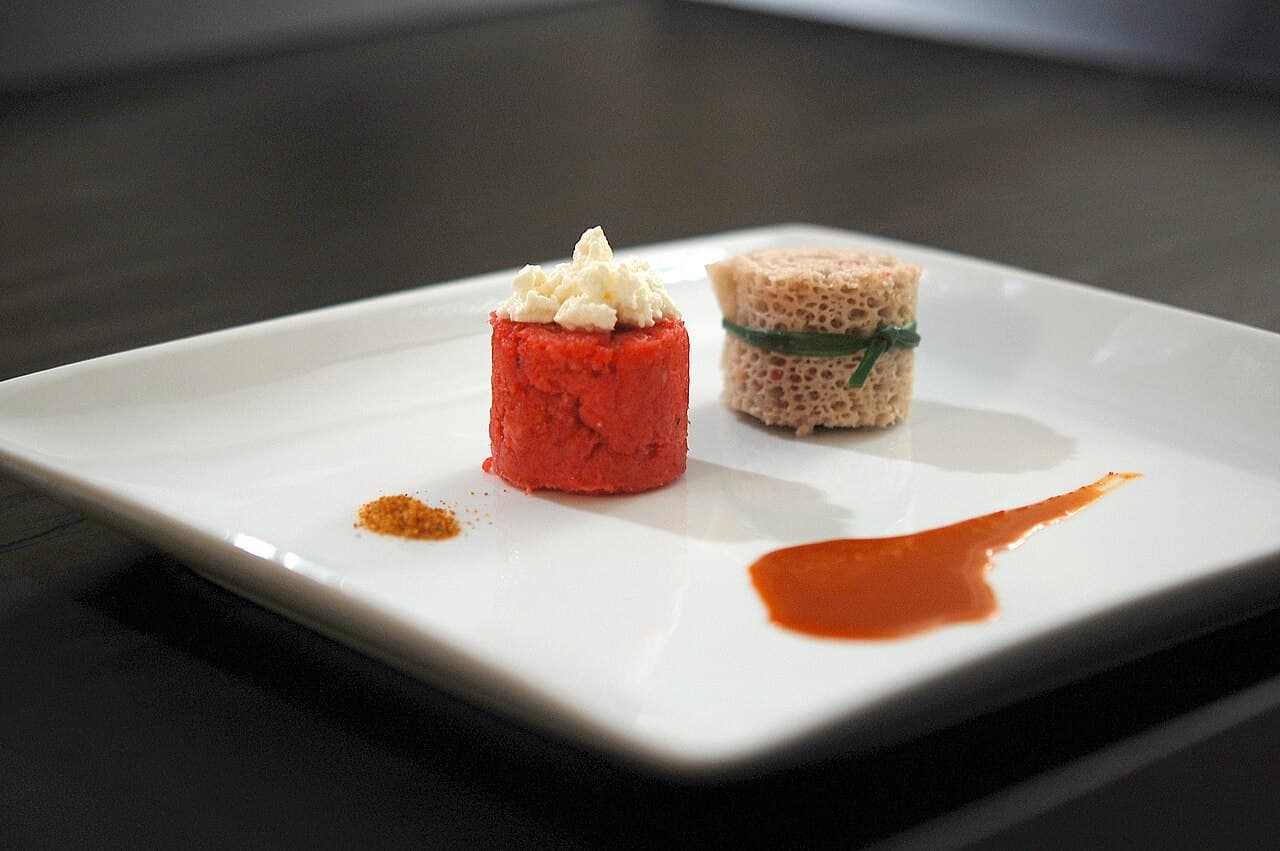
Minced beef, spiced butter and mitmita — traditionally raw. This is the briefly warmed home version unless you trust the butcher.
Recipe by I Want Some Food · Reviewed by the editorial kitchen. Native name preserved: ክትፎ.
0 people cooked this in the public kitchen yet. Kitchen-tested by I Want Some Food. Not a purchased rating.
- Prep
- 15 min
- Cook
- 5 min
- Total
- 20 min
- Difficulty
- Easy
- Spice
- Hot
- Cost
- Weeknight budget$8–16 USD · indicative, not a store price
About
Kitfo is very fresh minced lean beef mixed with niter kibbeh and mitmita (or berbere if that is what you have), served raw (tere) or barely warmed (leb leb) with ayib (fresh cheese) and gomen. We write leb leb. If you have a butcher you trust and you know the risks of raw beef, tere is the original. We are not going to pretend a supermarket mince is that.
Ingredients
Scaling multiplies the written quantities. Baking still prefers a scale.
Steps
Step 1
Melt butter with berbere and cardamom. Do not brown it.
2 minStep 2
Off the hardest heat, fold in the mince 1–2 minutes until just losing raw colour (leb leb), or serve raw if the meat is truly fresh and you accept that. Salt.
3 minWatch: Supermarket mince is for the warmed version.
Adapt this recipe
The canonical recipe stays intact. Personal versions are labelled. Serving changes are maths, not AI.
Adaptations · 0 / 15 used. Resets 24 August.
Substitutions
Niter kibbeh → Butter plus garlic and cardamom
The Tuesday fat.
Tips
- Ayib or a mild fresh cheese on the side. Gomen. Injera.
- Mitmita is hotter and more cardamom-forward than berbere.
History & culture
Gurage-associated, now national restaurant food. A celebration plate. Injera, not a bun.
A raw-beef tradition with spiced butter. Diaspora kitchens more often warm it.
Regional variation
Provenance: Editorial adaptation. Original editorial adaptation for I Want Some Food. Not copied from another recipe site. Official recipe photography is pending. Photograph: Michael T. via Wikimedia Commons (CC BY-SA 2.0). https://commons.wikimedia.org/wiki/File:Kitfo%20(Ethiopian%20Tartar).jpg
Questions about this recipe
Answers taken from this dish's times, amounts, swaps and tips — not a chatbot.
How long does Kitfo take?
20 min all in — 15 min prep, 5 min cook. That is the time on this recipe, not a guess.
How many does it serve?
The recipe is written for 4 plates. Scale the ingredient list on the page if you are cooking for a different number.
How hard is it?
Easy.
How spicy is it?
Hot.
What allergens should I watch?
This recipe is labelled for Milk. Labels are informational — check the packets in your kitchen. This is not medical advice.
Does it fit a diet?
The published recipe is labelled Gluten-free, Nut-free.
What does it cost to cook?
Weeknight budget — about $8–16 USD, as a grocery budget for this recipe, not a restaurant price.
What equipment do I need?
Frying pan, Mixing bowl.
How much salt do I put in?
The recipe lists Salt at 1 tsp.
What can I use instead?
Niter kibbeh → Butter plus garlic and cardamom. The Tuesday fat.
What should I watch for?
Supermarket mince is for the warmed version.
Any tips from this recipe?
Ayib or a mild fresh cheese on the side. Gomen. Injera. Mitmita is hotter and more cardamom-forward than berbere.
Can I use an air fryer?
This method is not written for an air fryer. The core technique on the page still applies.
Similar dishes
Tibs
ጥብስ
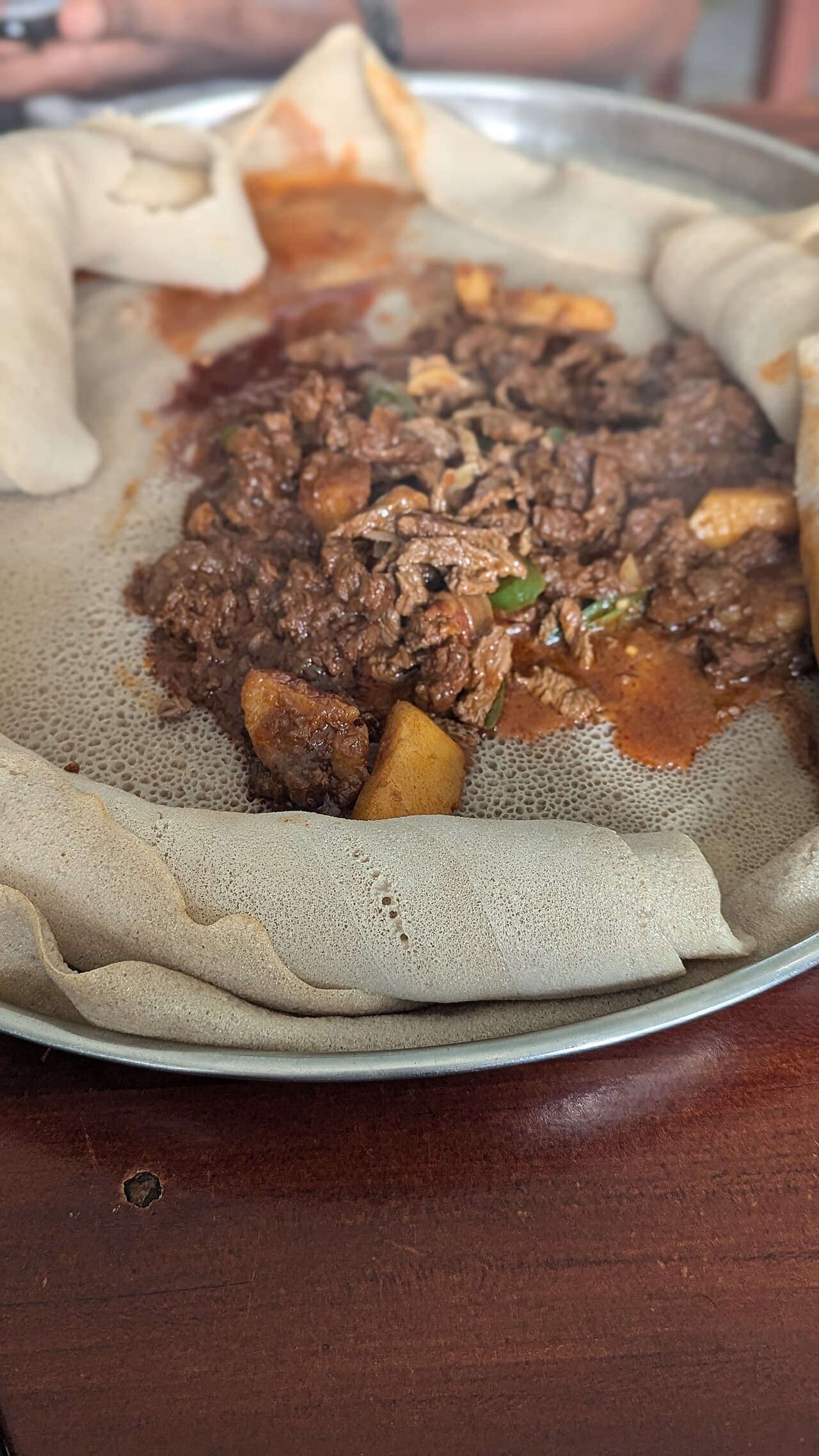
Seared beef or lamb with onion, chilli and rosemary — the sizzling platter, not a stew.
27 minEasy🌶️🌶️
Kafta
كفتة
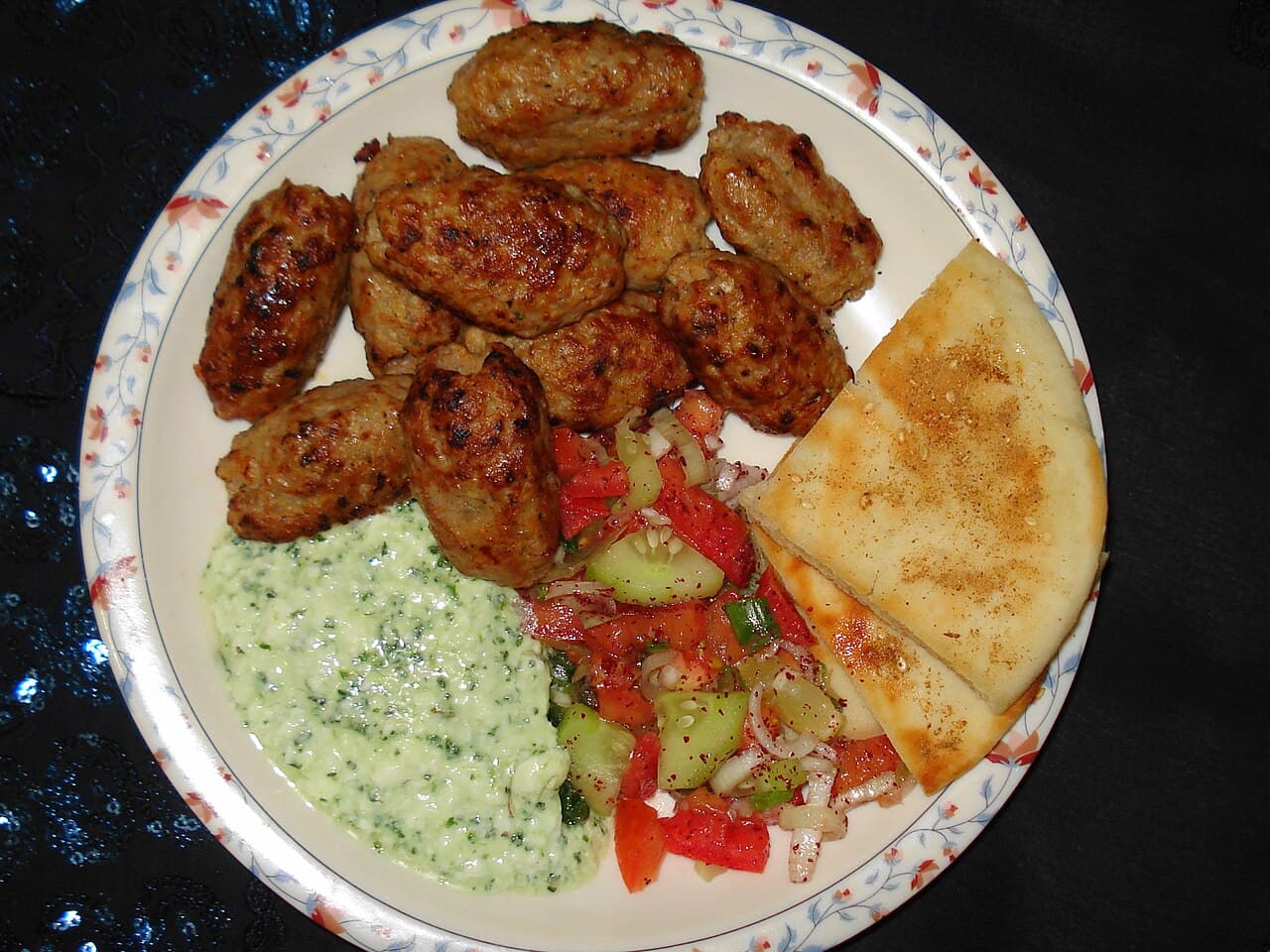
Minced lamb, parsley and onion on a skewer — the Levantine grill that is not a burger.
30 minEasy🌶️
Doro wat
ዶሮ ወጥ
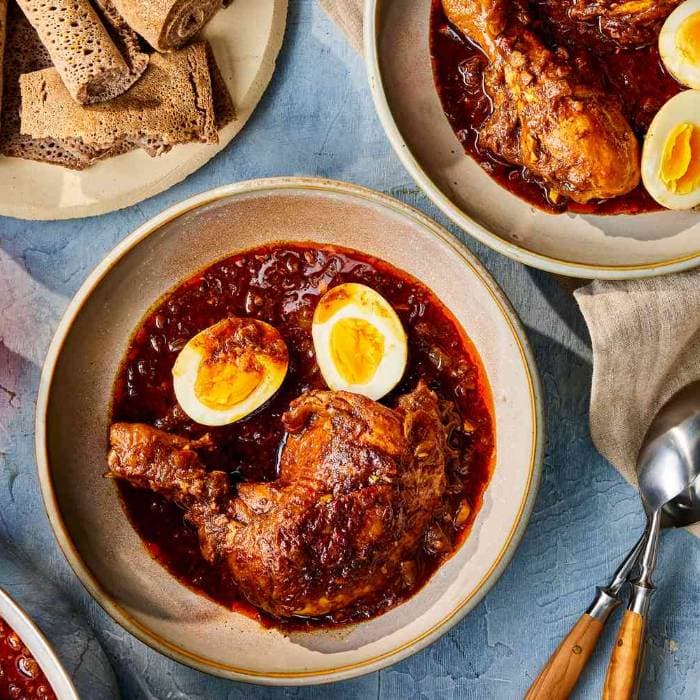
Chicken in a dark berbere-onion sauce, a hard-boiled egg — the feast pot, not a weeknight curry.
2 hrMedium🌶️🌶️🌶️