

Mofongo
Fried green plantain pounded in a mortar with garlic and pork crackling, shaped into a dome and served with broth or stewed meat.
Recipe by I Want Some Food · Reviewed by the editorial kitchen.
- Prep
- 20 min
- Cook
- 30 min
- Rest
- None
- Total
- 50 min
- Difficulty
- Medium
- Spice
- No chilli
- Cost
- Weeknight budget$8–16 USD · indicative, not a store price

About
Mofongo is fried green plantain mashed while hot in a wooden pilón with garlic, olive oil and chicharrón, crisp fried pork skin or belly, until it holds together. It is packed into a bowl and turned out as a dome, or hollowed and filled. On its own it is dense and dry by design; the point is the garlic and the salt of the pork and the broth or stewed meat that comes with it. This version fries the plantain once, mashes it with a garlic mojo and crisp fried pork belly, and serves it with a cup of chicken broth to spoon over. A mortar and pestle is the right tool. A bowl and the end of a rolling pin works.
What you'll need
9 ingredients. Tap each one once it's out on the bench.
Ingredients
- Plantain, green, peeled, in 3 cm rounds4 large
- Pork, belly with skin, in 2 cm cubes; or 120 g bagged chicharrón300 g
- Garlic, peeled6 clove
- Olive oil59 ml
- Salt9.9 ml
- Black pepper2½ ml
- Neutral oil, for frying500 ml
- Chicken stock, hot, well seasoned, to serve600 ml
- Coriander, chopped, to serve (optional)1 handful
Scaling multiplies the written quantities. Baking still prefers a scale.
Steps
Step 1
Season the pork belly cubes with a teaspoon of salt. Put them in a cold frying pan with a splash of water, bring to a sizzle and cook over medium heat 20 to 25 minutes, turning, until the fat renders and the pieces are brown and crisp. Drain and chop roughly.
25 min
Step 2
Pound the garlic with the remaining salt in the mortar to a paste. Work in the olive oil and pepper. Scrape into a small bowl and set aside; wipe out the mortar.
5 min
Step 3
Heat the frying oil to about 170°C. Fry the plantain rounds 5 to 6 minutes until cooked through and light gold, not dark. Drain.
8 min170°C
Tip: You want them fully soft inside. Cut one open; no hard white centre.
Step 4
Working in batches while hot, put a handful of plantain in the mortar with a spoon of garlic oil and a share of the pork. Pound until it holds together but still has some texture. Pack firmly into a small bowl and turn out onto a plate.
10 min
Watch: Work fast. Cold fried plantain will not mash, it crumbles.
Step 5
Serve each dome with a cup of hot broth to pour over, more garlic oil if you like, and coriander on top.
Nutrition
Per serving · estimate
- Calories
- 753 kcal
- Protein
- 25.5 g
- Carbs
- 83.7 g
- Fat
- 39.2 g
- Saturated fat
- 7.4 g
- Fibre
- 6 g
- Sugar
- 38.3 g
- Sodium
- 1598 mg
Calculated from canonical ingredient data (USDA FoodData Central averages and equivalent published tables). Estimates only.
Allergens
Informational only. Not a medical guarantee. Cross-contamination happens in real kitchens.
- No major allergens flagged in the structured ingredients.
- Dairy-free
- Gluten-free
Adapt this recipe
The original recipe stays as it is. Personal versions are labelled. Serving changes are simple maths.
Adaptations · 0 / 15 used. Resets 13 November.
Substitutions
Pork belly → Bacon fried crisp, or omit
Mofongo without pork and with more garlic oil is common as a side for fish.
Tips
- Mofongo relleno: press the mash into a bowl, hollow out the middle and fill with shrimp in garlic sauce or stewed chicken before turning out.
- If it is too dry to hold, add more garlic oil or a spoon of the hot broth, not water.
- Leftover mofongo is best reheated by frying slices in a little oil until crisp.
History & culture
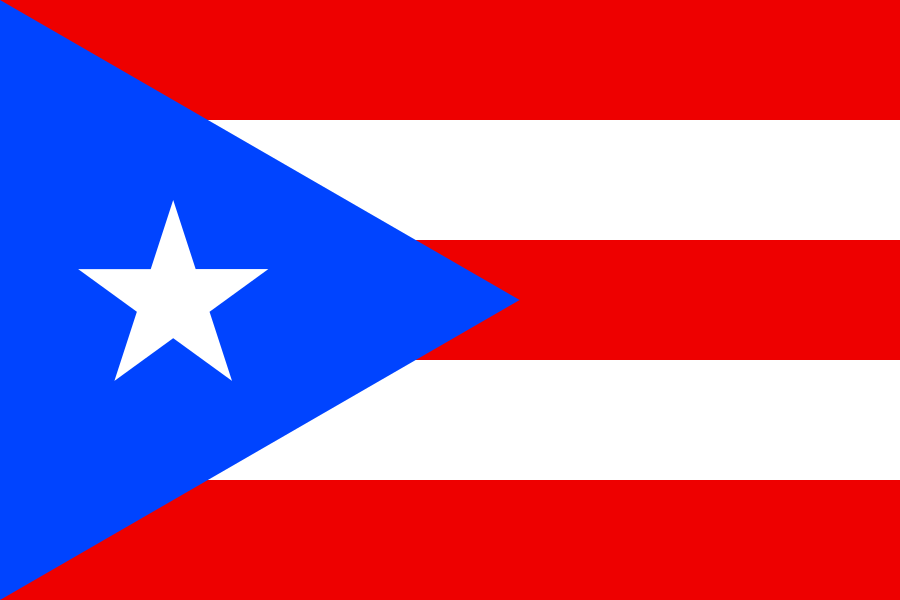
Mofongo is on every Puerto Rican restaurant menu and in every grandmother's repertoire. It is served with shrimp in garlic sauce, with stewed chicken, with fried pork, or stuffed. Piñones, the beach strip outside San Juan, is famous for it. Dominicans and Cubans make mofongo too and have their own claims on it.
Mofongo descends directly from West African fufu, carried by enslaved people to Puerto Rico and made with plantain instead of yam or cassava. The pounding method and the name both point to Angola and the Congo basin. Garlic, olive oil and pork are the Spanish contributions. The dish was documented in Puerto Rican cookbooks by the mid-19th century.
Traditional — Bagged chicharrón is what most Puerto Rican home cooks use. Frying your own pork belly is the from-scratch route taken here; either is standard.
Provenance: Editorial adaptation.
Questions about this recipe
Answers taken from this dish's times, amounts, swaps and tips.
How long does Mofongo take?
50 min all in — 20 min prep, 30 min cook. Cook and rest follow the method. Leftover storage and optional extra waits are not included.
How many does it serve?
The recipe is written for 4 domes. Scale the ingredient list on the page if you are cooking for a different number.
How hard is it?
Medium.
How spicy is it?
No chilli.
Does it fit a diet?
The published recipe is labelled Dairy-free, Gluten-free.
What does it cost to cook?
Weeknight budget — about $8–16 USD, as a grocery budget for this recipe, not a restaurant price.
7 more questionsFewer questions
What equipment do I need?
Mortar and pestle, Frying pan, Spider or strainer.
How much salt do I put in?
The recipe lists Salt at 2 tsp.
What can I use instead?
Pork belly → Bacon fried crisp, or omit. Mofongo without pork and with more garlic oil is common as a side for fish.
What should I watch for?
Work fast. Cold fried plantain will not mash, it crumbles.
Any tips from this recipe?
Mofongo relleno: press the mash into a bowl, hollow out the middle and fill with shrimp in garlic sauce or stewed chicken before turning out. If it is too dry to hold, add more garlic oil or a spoon of the hot broth, not water. Leftover mofongo is best reheated by frying slices in a little oil until crisp.
Can I prepare this ahead?
Leftover mofongo is best reheated by frying slices in a little oil until crisp.
Can I use an air fryer?
This method is not written for an air fryer. The core technique on the page still applies.
Similar dishes

Mangú con los tres golpes
Dominican mashed green plantain with pickled red onion, served with fried cheese, fried salami and eggs — the three hits.
Easy

Tostones
Green plantain slices fried, flattened and fried again until crisp outside and tender within. Salt, garlic, and eat them hot.
Easy

Pernil
Pernil al horno
Puerto Rican slow-roasted pork shoulder, marinated overnight in garlic, oregano and vinegar, with skin blistered into cuerito.
Easy

Arroz con gandules
Puerto Rico's rice with pigeon peas, sofrito, olives and annatto-tinted oil, cooked in one pot with a crust on the bottom.
Easy