

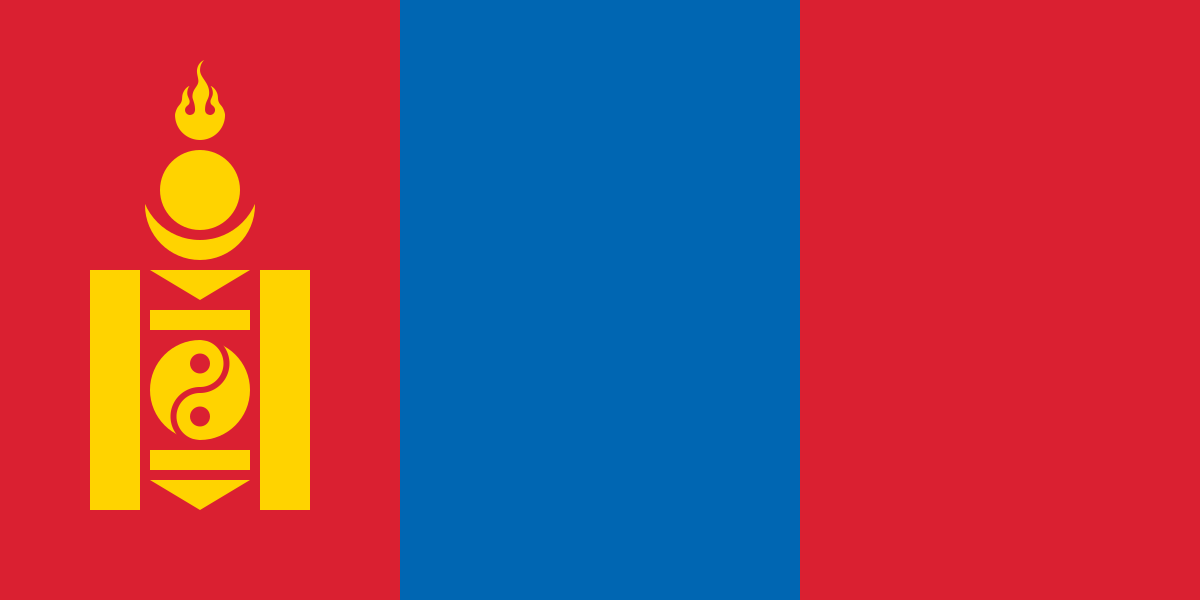
 Taste Mongolia
Монгол Улс
A high, cold, thinly peopled land of herders, where meals are built from mutton, flour and milk and cooked on a single stove.
Mongolians divide food into red and white. Red food is meat, mainly mutton, also beef, goat, horse and camel, eaten most in winter. White food is dairy, made in summer: dried curds called aaruul, clotted cream, fermented mare's milk and salty milk tea. Flour ties the two together in buuz dumplings, fried khuushuur, and tsuivan noodles. Vegetables are few and sturdy: potato, carrot, cabbage, onion. Seasoning is restrained, often just salt, so the taste of the meat and its fat is the taste of the dish. Nothing from the animal is wasted.
3 recipes · 1 cuisine
All dishes 3
- 1 hr 30 min

Khuushuur
Хуушуур
Flat half-moon pastries of plain dough filled with seasoned minced mutton or beef and fried until blistered. The food of the Naadam festival.
Medium
- 1 hr 25 min

Tsuivan
Цуйван
Hand-cut noodles steamed on top of frying mutton, carrot and cabbage in one pot, then tossed through so they soak up the fat and juices.
Medium
- 2 hr 50 min

Khorkhog
Хорхог
Mutton on the bone cooked with potatoes, carrots and cabbage in a sealed pot until it steams in its own juice. A home-pot take on Mongolia's hot-stone feast.
Easy
Regional cuisines
Think you know Mongolia food?
3 quiz dishes. Optional — Passport stamps still come from cooking.
Take the Mongolia food quizFood history
Herding has been the basis of life on the Mongolian plateau for thousands of years, and the climate allows almost no farming. Cooking methods grew from that: boiling in a pot, cooking with heated stones, drying meat into borts for travel, and turning summer milk into foods that keep. Wheat flour, noodles and dumplings came through trade and long contact with China. In the twentieth century, close ties with the Soviet Union brought potatoes, cabbage, bread, tinned goods and canteen dishes, which are now ordinary parts of the town diet.