
 Taste Uzbekistan
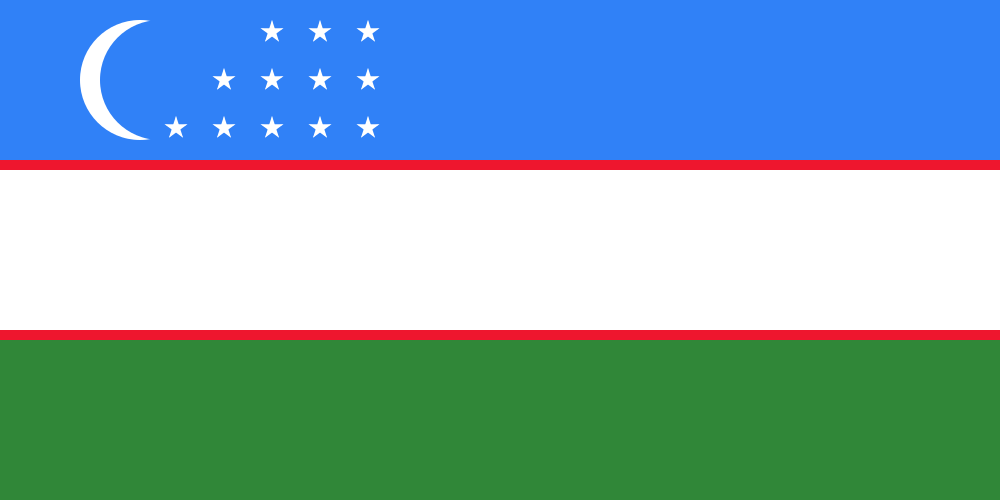
Oʻzbekiston
A country of oasis cities and irrigated valleys where rice, lamb, bread and tea set the terms of every meal.
Uzbek cooking is settled, oasis cooking: rice, wheat, lamb, carrots, onions and a great deal of fruit. Plov is the centre of it, cooked in a wide kazan with lamb fat, yellow carrots and cumin, and every city claims the best. Around it sit hand-pulled lagman noodles, tandoor-baked samsa, steamed manti, skewers of shashlik and clear lamb shurpa. Bread, non, is stamped, baked on the wall of a clay oven and treated with respect; it is never put face down. Meals start and end with green tea, and tables carry melons, grapes, dried apricots and nuts.
4 recipes · 1 cuisine
All dishes 4
- 1 hr 35 min

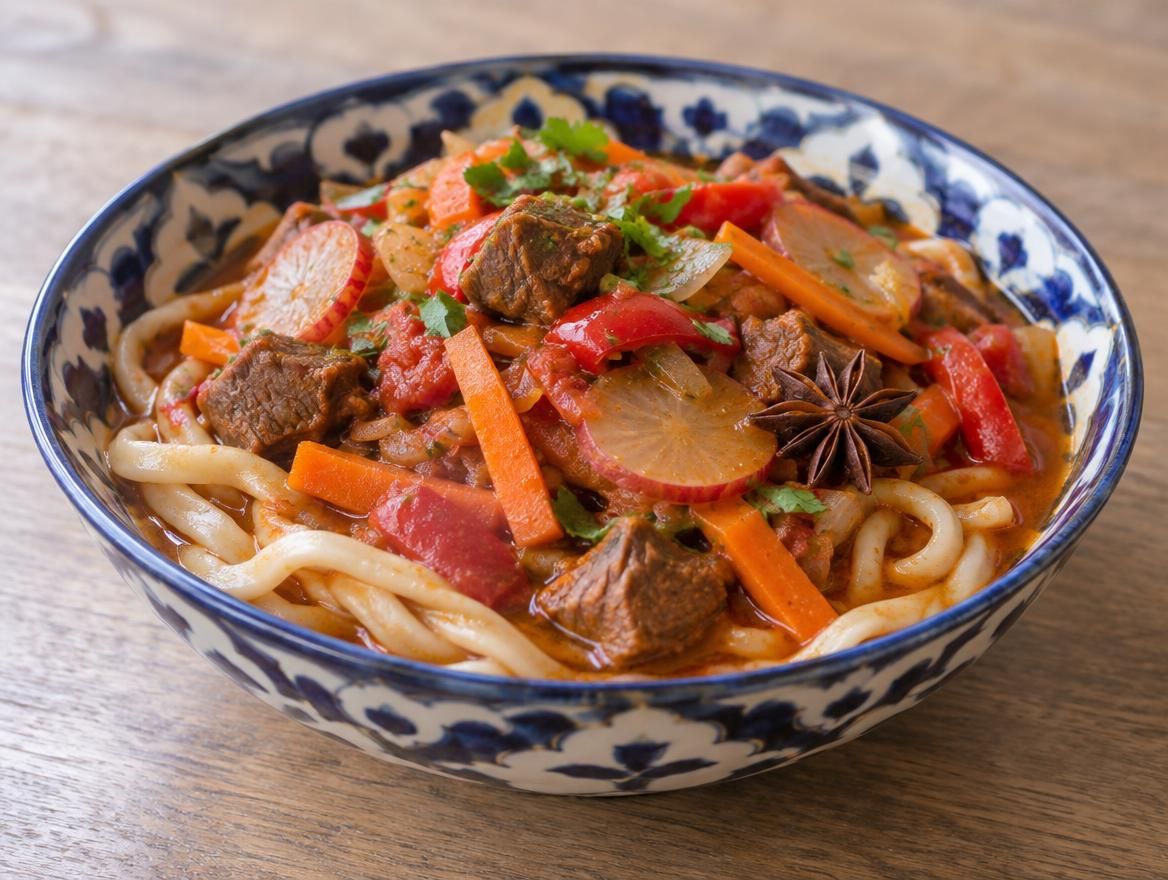
Lagman
Lagʻmon
Thick wheat noodles under a soupy lamb, pepper, tomato and radish stew scented with cumin and star anise. Uzbekistan's noodle bowl.
Medium
- 2 hr 20 min

Samsa
Somsa
Flaky baked pastries filled with hand-chopped lamb, lamb fat and a great deal of onion, seasoned with cumin. Baked hot in a home oven.
Medium
- 2 hr 35 min

Shurpa
Shoʻrva
A clear lamb broth simmered on the bone with large pieces of carrot, potato, tomato and pepper. Served with herbs and flatbread.
Easy
- 2 hr 38 min

Lamb Pilaf (Plov)
Lamb Pilaf
Lamb Pilaf (Plov) from Uzbekistan.
Medium
Regional cuisines
Think you know Uzbekistan food?
4 quiz dishes. Optional — Passport stamps still come from cooking.
Take the Uzbekistan food quizFood history
Samarkand, Bukhara and Khiva were trading cities on the routes between China, Persia and the Mediterranean, and the kitchen shows it. Rice and pilaf methods are shared with Persia; pulled noodles and steamed dumplings came from the east with Uyghur and Dungan communities; the tandoor is common to the whole region. Nomadic Turkic neighbours contributed their taste for mutton, fat and dairy. Russian and Soviet rule brought potatoes, tomatoes, cabbage and canteen cooking, and spread Uzbek plov and samsa across the former Soviet Union in return.