Grain
Pasta
Also called spaghetti, bucatini, tonnarelli
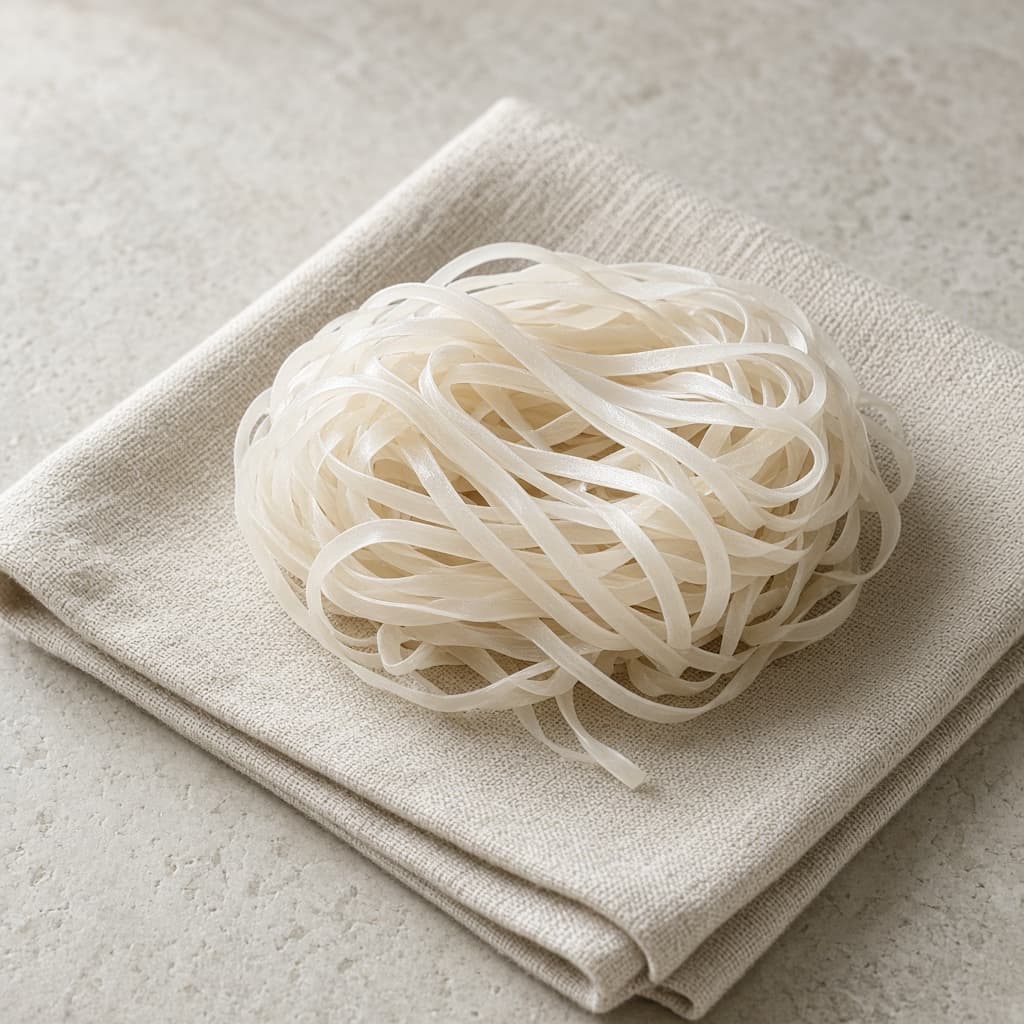
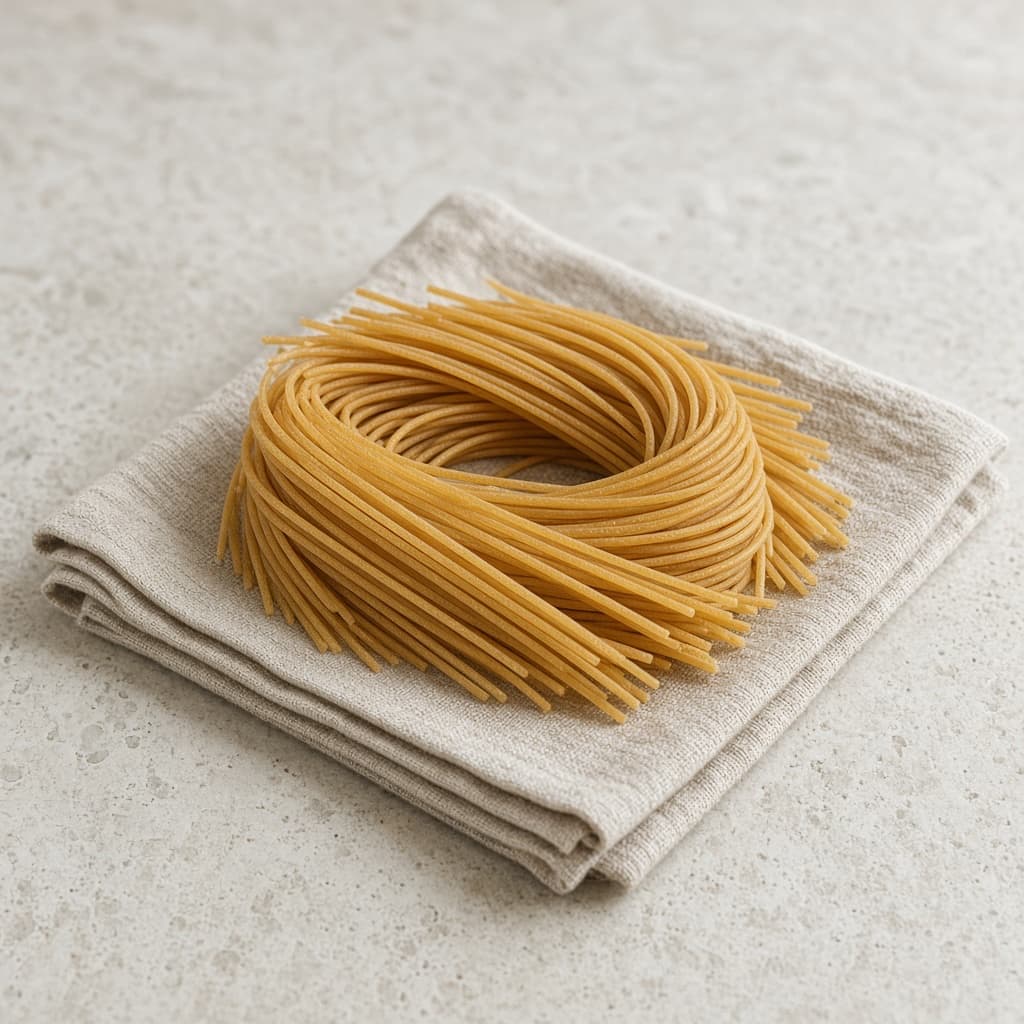
Wheat dough extruded or rolled, then dried or cooked fresh. Italian dried pasta is usually durum semolina and water; egg pasta is richer. Spaghetti, bucatini and tonnarelli are the long Roman shapes.
Origin
Dried durum pasta became a southern Italian staple where hard wheat and sea air made storage possible.
Flavour
Bronze-die dried pasta tastes wheaty, with a rough surface sauce can grip. Fresh egg pasta tastes of yolk as much as wheat.
How it is made
Semolina is mixed with water, kneaded, forced through dies and dried slowly. Fresh pasta is rolled and cut the same day, often with egg.
How to use it
Boil in plenty of well-salted water — it should taste like the sea — and pull the pasta a minute before you think it is done. Finish in the pan with sauce and a ladle of starchy water so fat and water emulsify instead of sitting in a puddle. Oil in the pot does nothing useful and makes sauce slide off. For carbonara or cacio e pepe, residual heat cooks the cheese and egg; a wet flame scrambles them. Undercooked pasta is chalky at the core; overcooked pasta cannot grab sauce.
Storage
Dried pasta is pantry-stable for years if kept dry.
Recipes using it
Checking your allergy settings…