Grain
Rice noodles
Also called sen lek, pho noodles, banh pho, rice stick
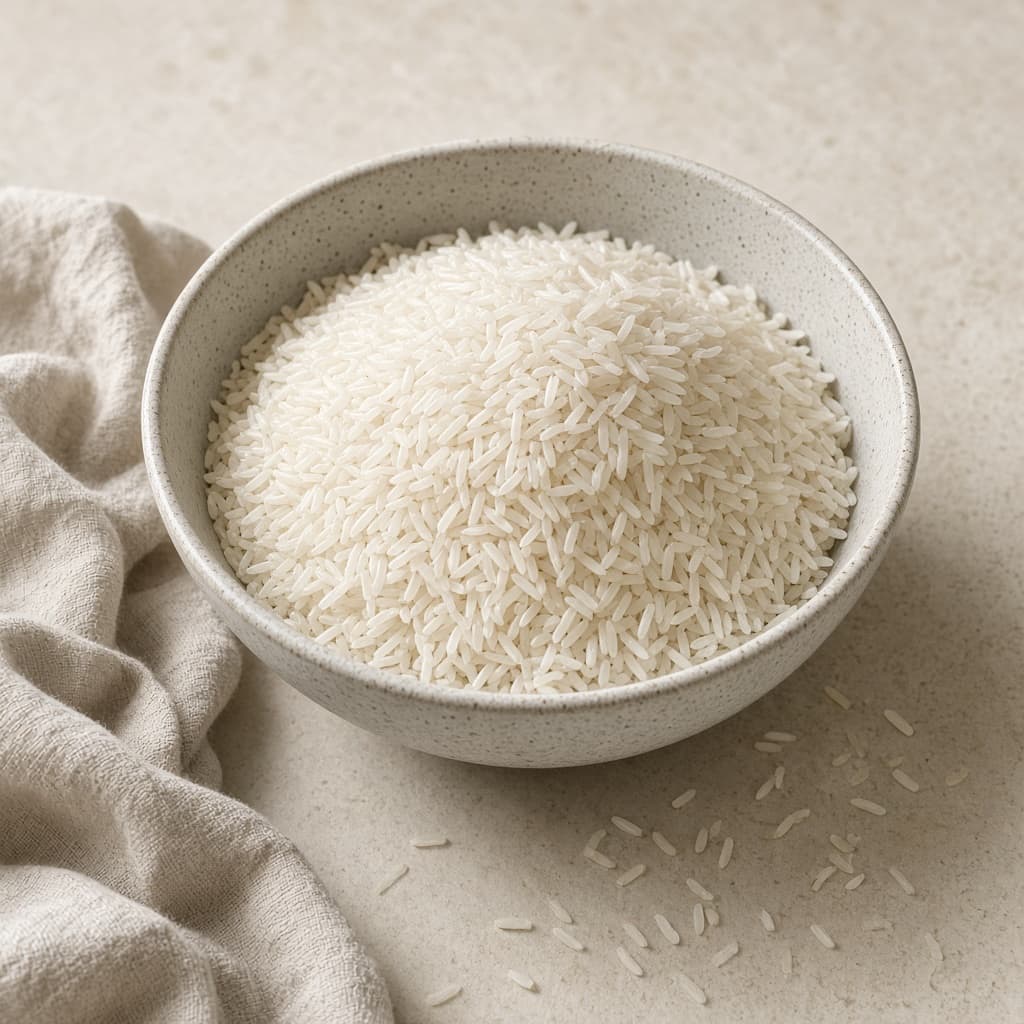
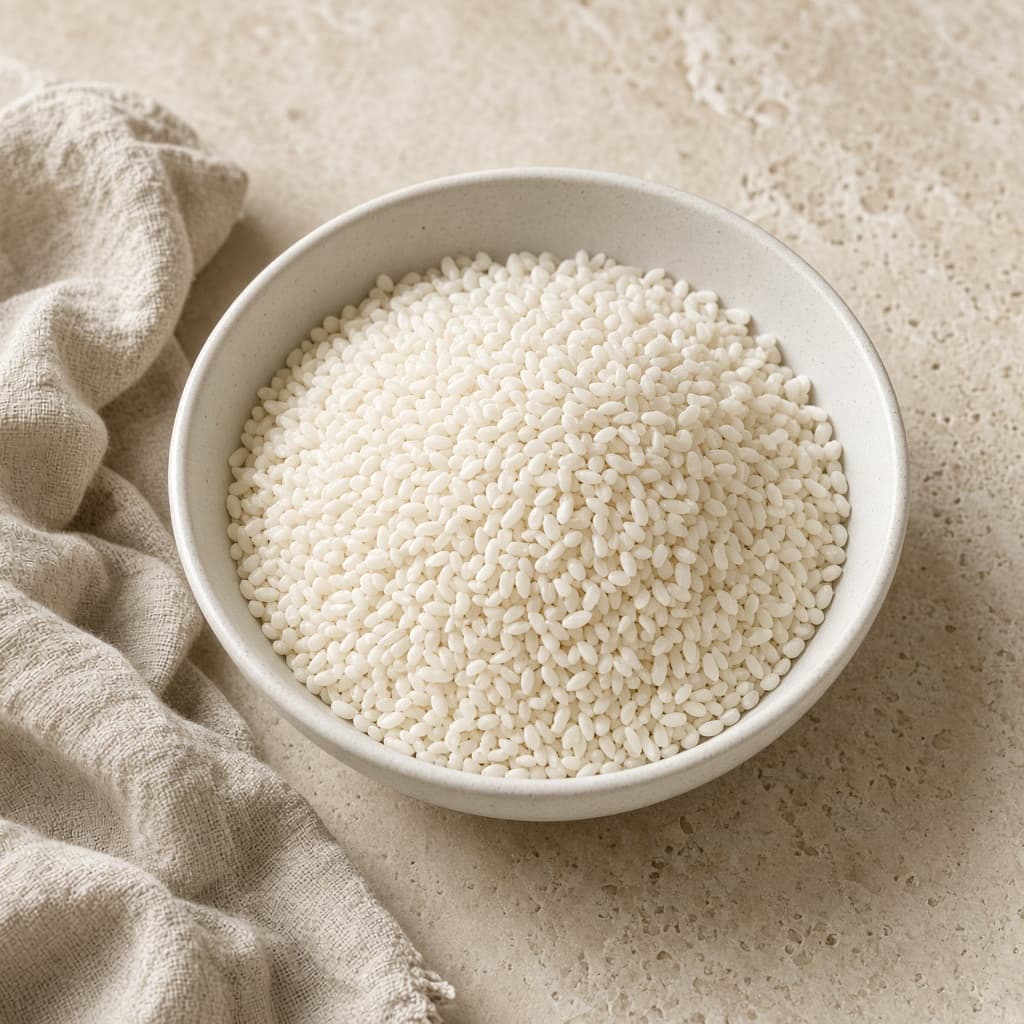
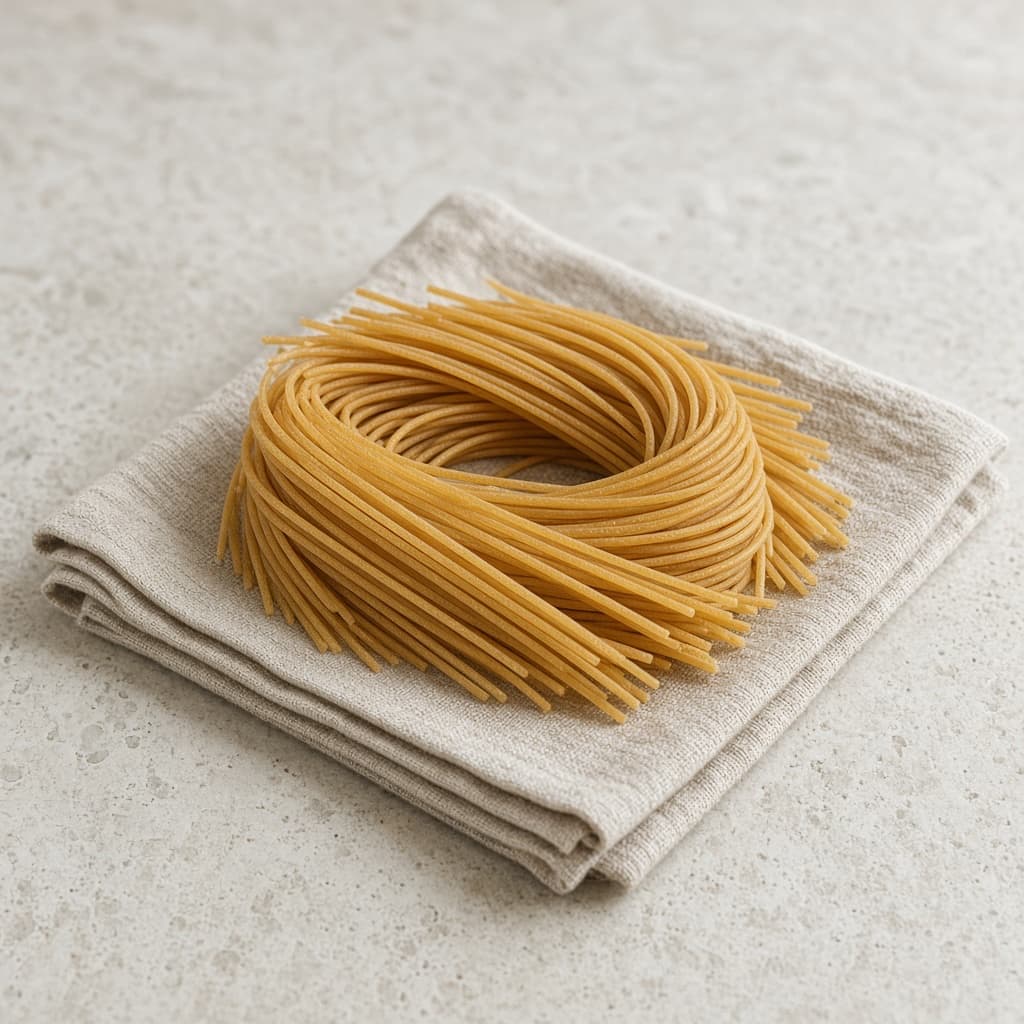
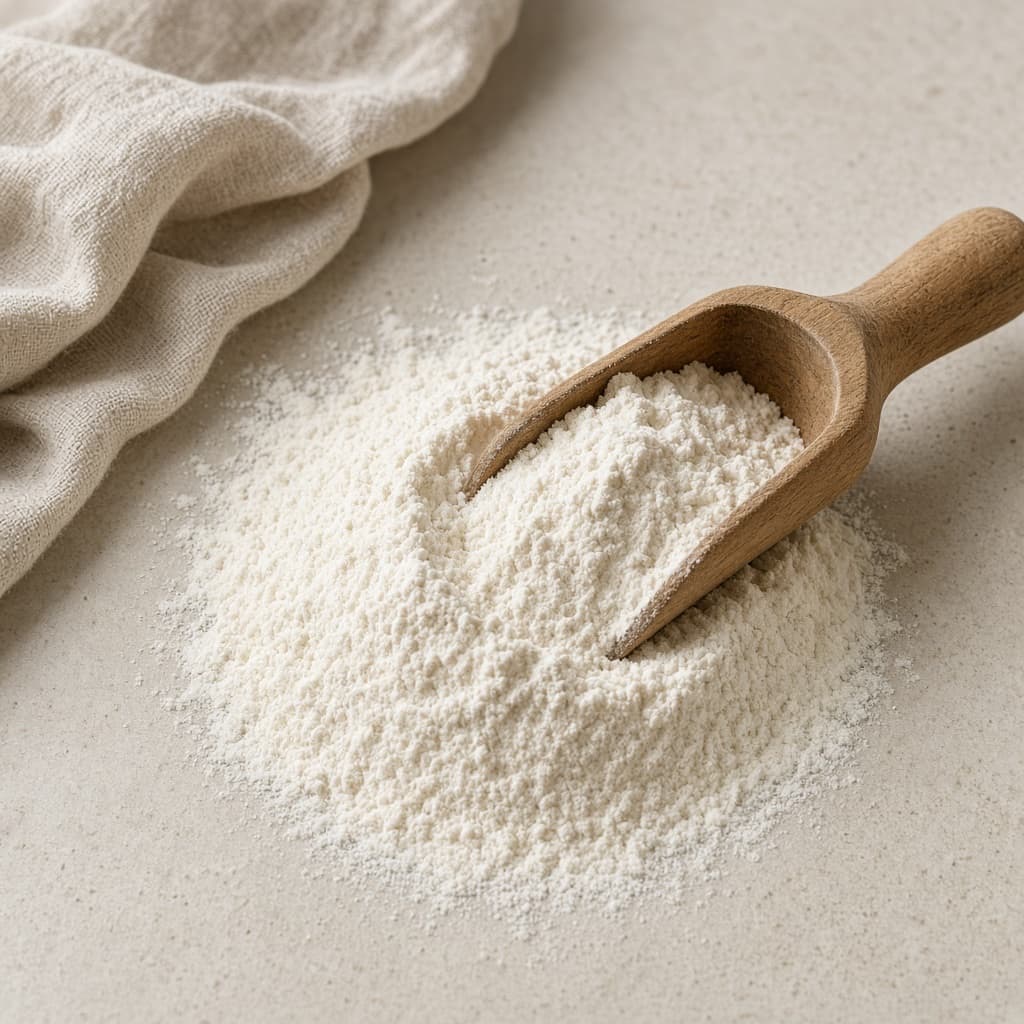
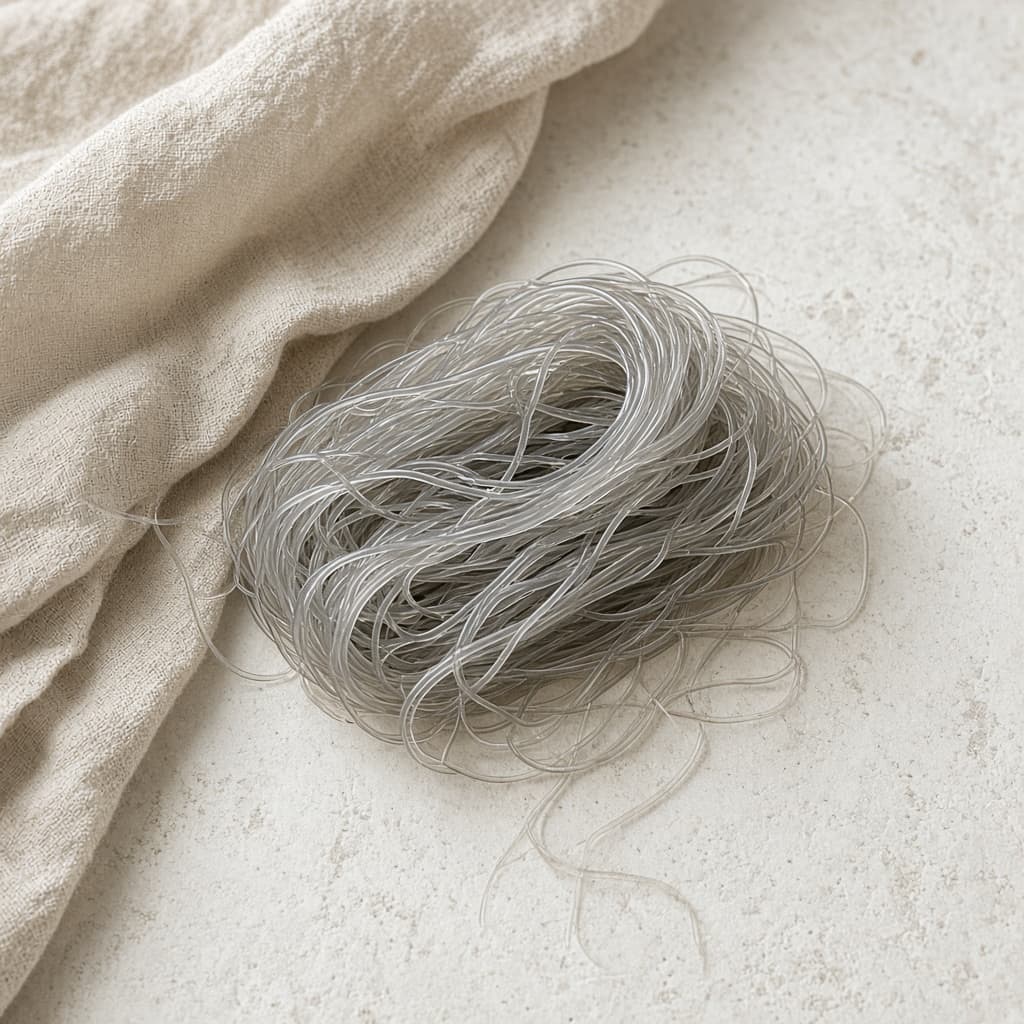
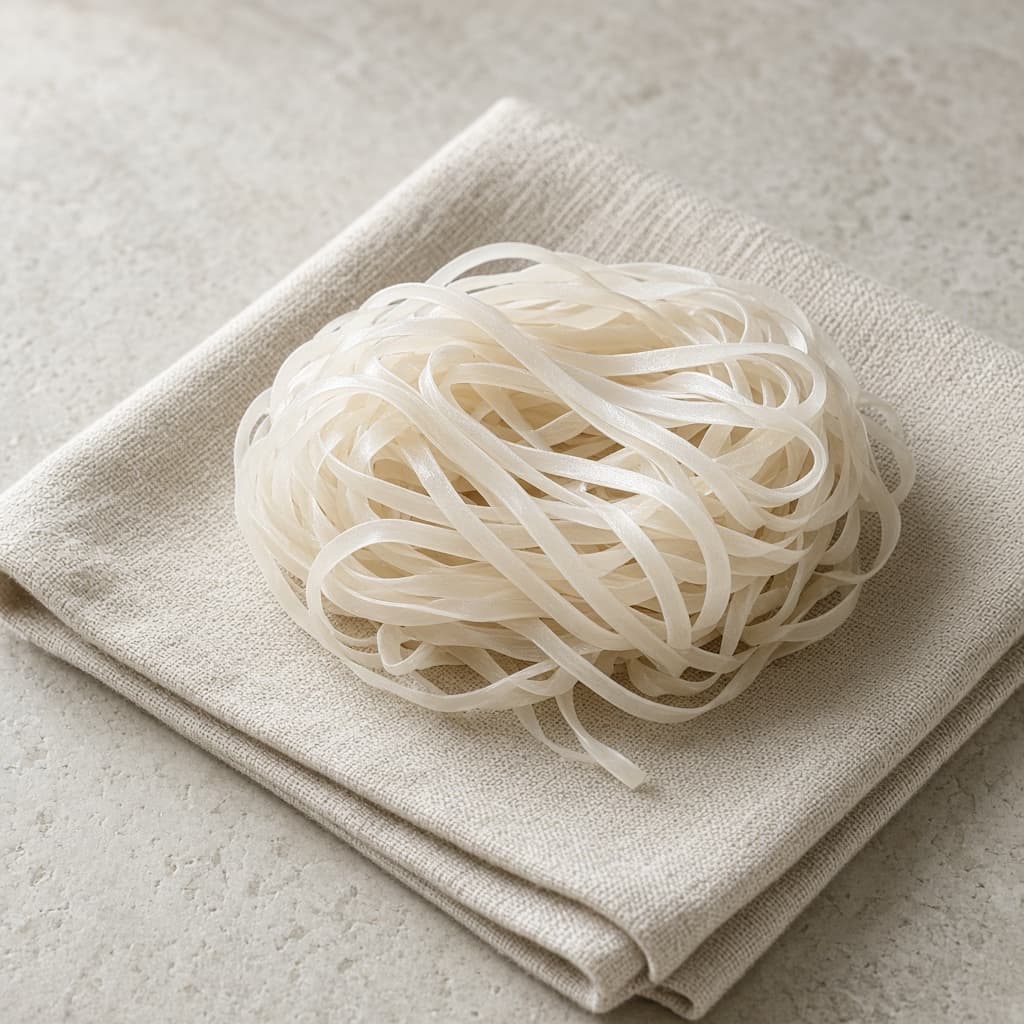
Noodles of rice flour and water, sometimes with tapioca starch for bounce. Sold dried as sticks or nests, or fresh in sheets and strands, from hair-thin bún to flat sen lek and wider phở noodles.
Origin
Developed in southern China, where wheat was less central, then became daily food across mainland Southeast Asia.
Flavour
Almost neutral, faintly sweet if the rice was good. Stale dried noodles taste dusty even after soaking.
How it is made
Rice is soaked, milled to a slurry, steamed in sheets or extruded, then cut.
How to use it
Soak dried noodles in warm — not boiling — water until they bend without a hard core, then drain well. Boiling them like wheat pasta overcooks the outside while the centre stays chalky, and they shatter in the wok. Finish in sauce or broth so they drink flavour in the last minute. For pad thai they should still have resistance when they hit the pan; sauce and residual heat finish them. If they clump, you soaked too long or skipped a brief oil toss after draining.
Storage
Dried nests keep months in a dry cupboard. Do not freeze fresh ones unless you accept a softer bite.
Recipes using it
Checking your allergy settings…