Grain
Soba noodles
蕎麦
Also called buckwheat noodles, zaru soba noodles
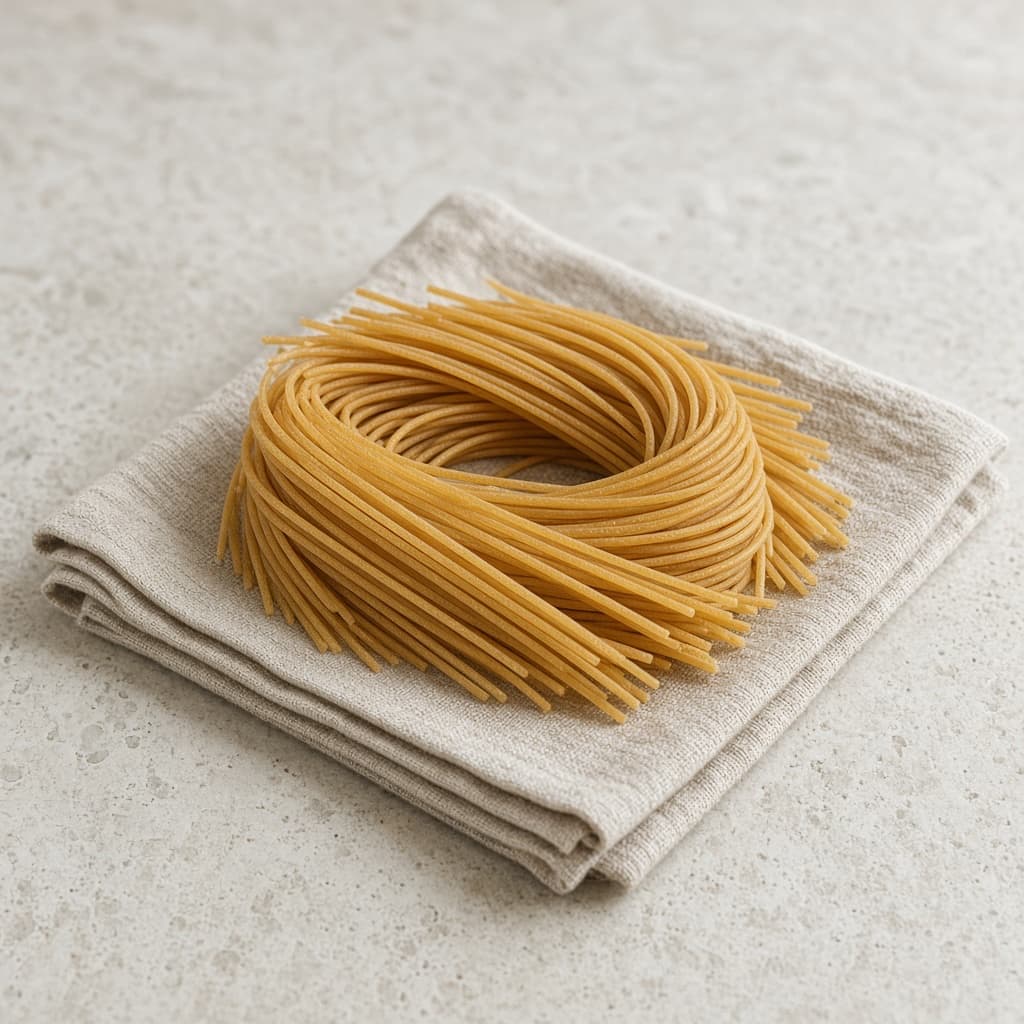
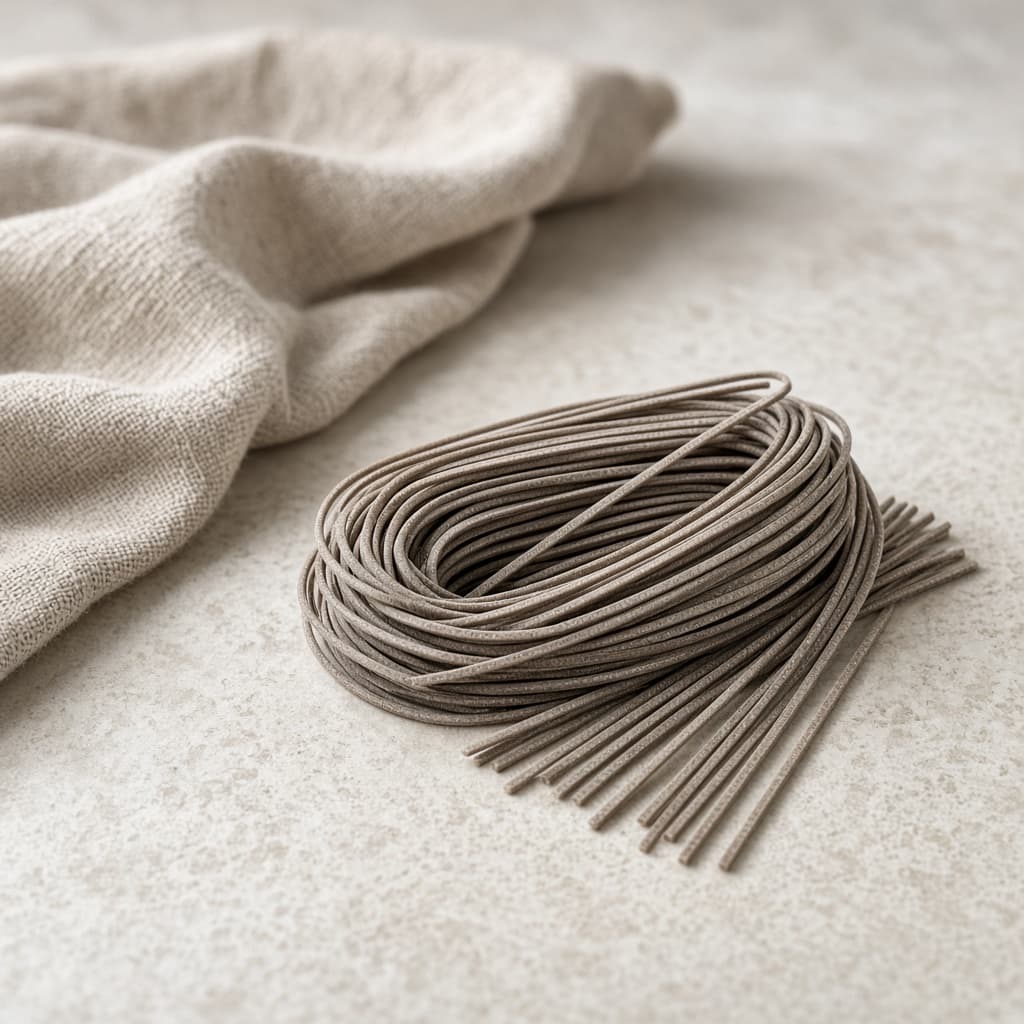
Thin Japanese buckwheat noodles, often blended with wheat so they do not crumble. Zaru soba is the cold drained plate; they also go into hot broth.
Origin
Japan, especially Nagano and the north, where buckwheat grew on poor soil. This is not Korean naengmyeon, even though both can be buckwheat-brown.
Flavour
Toasted buckwheat, nutty and a little bitter, if the percentage is high. Wheat-heavy dried soba tastes mostly of pasta.
How it is made
Buckwheat flour is mixed with wheat flour and water, rolled or extruded, and cut. Fresh handmade soba is fragile; dried supermarket packs are sturdier and blander.
How to use it
Boil in a large pot, stirring so they do not weld, and taste early. For zaru, rinse hard under cold water until the surface slime is gone, then drain upright so they do not sit in a puddle. Serve with a soy-dashi tsuyu, wasabi and spring onion. Hot soba goes straight from the pot to a seasoned broth. Do not sauce cold soba in advance. Salt is in the dip, not always in the boiling water. Freshly cooked is the whole point; leftover soba stales fast.
Storage
Dried bundles in a cupboard. Fresh soba is a same-day fridge item.
Recipes using it
Checking your allergy settings…