


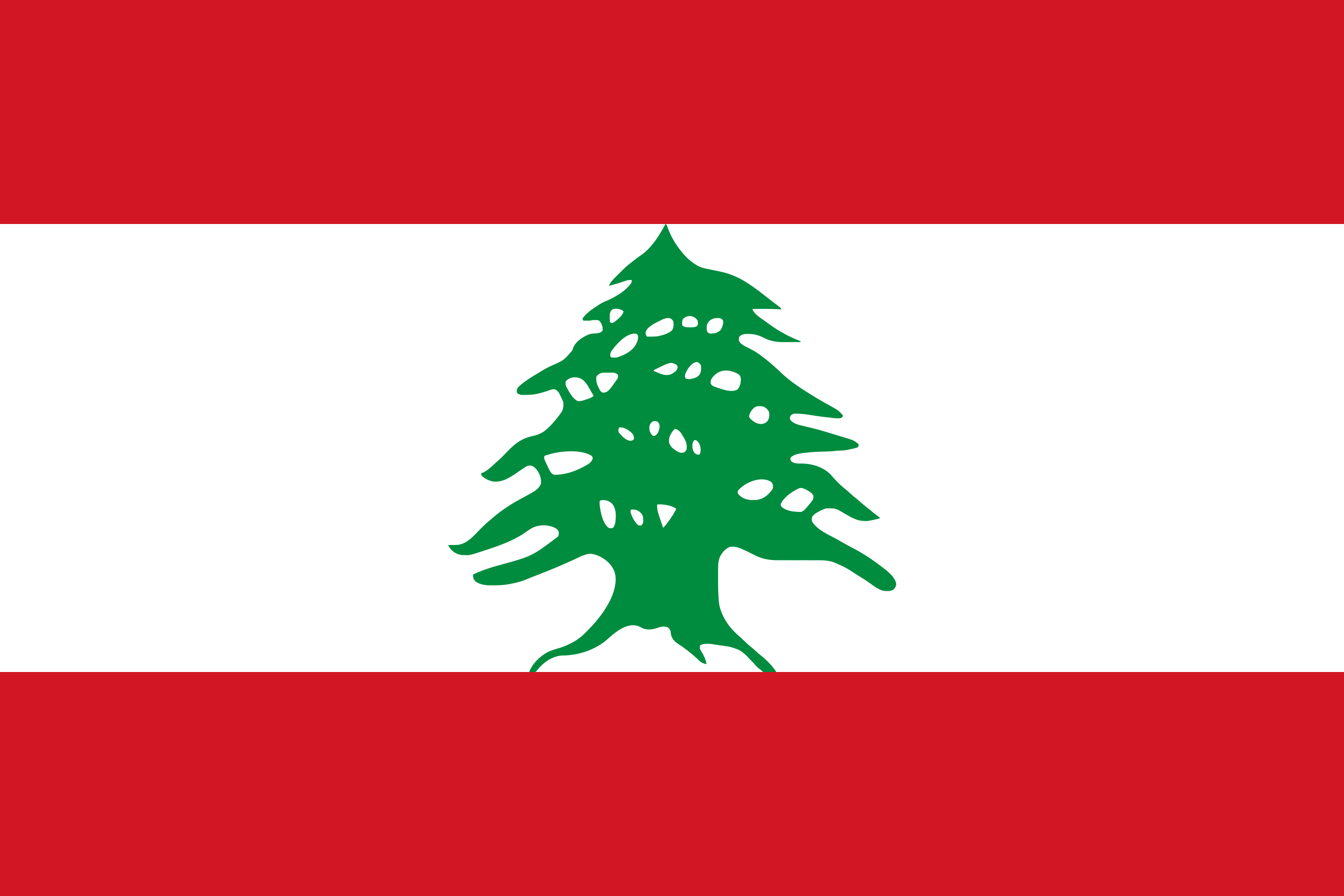
 Taste Lebanon
لبنان
Mezze, herbs, olive oil and a Levantine table that is meant to be shared. Parsley is a salad ingredient here, not a garnish.
Hummus is chickpeas, tahini, lemon and garlic, judged on texture. Tabbouleh is mostly parsley, with bulgur in a supporting role — the other way round is a different salad. Fattoush wants fried or toasted bread, sumac and a sharp dressing. Kibbeh is pounded bulgur and meat, fried, baked or raw depending on the cook. Mujadara is lentils and rice with enough fried onion to count as a dish, not a side. Man'oushe is breakfast za'atar on dough. Knafeh is cheese and pastry and syrup, a sweet that does not pretend to be subtle. This kitchen overlaps with Syria, Palestine and the eastern Mediterranean while still tasting like itself.
14 recipes · 2 cuisines
Essential dishes
Checking your allergy settings…
More dishes
Further Lebanon listings, including shorter editorial recipes and imported methods.
Checking your allergy settings…
Regional cuisines
Think you know Lebanon food?
14 quiz dishes. Optional — Passport stamps still come from cooking.
Take the Lebanon food quizFood history
Phoenician trade, Arab kitchens, Ottoman rule and French mandate markets. Mezze is a way of eating, not a starter course invented for restaurants. Olive, wheat, lamb and yoghurt are older than any modern border. Twentieth-century Beirut restaurants polished some plates for a cosmopolitan room; village tabbouleh and home hummus did not wait for permission. Levantine overlap is a fact of cooking, not a failure of nationalism. Mountain and coastal pantries still disagree about garlic and sourness, which is as it should be.