Citrus
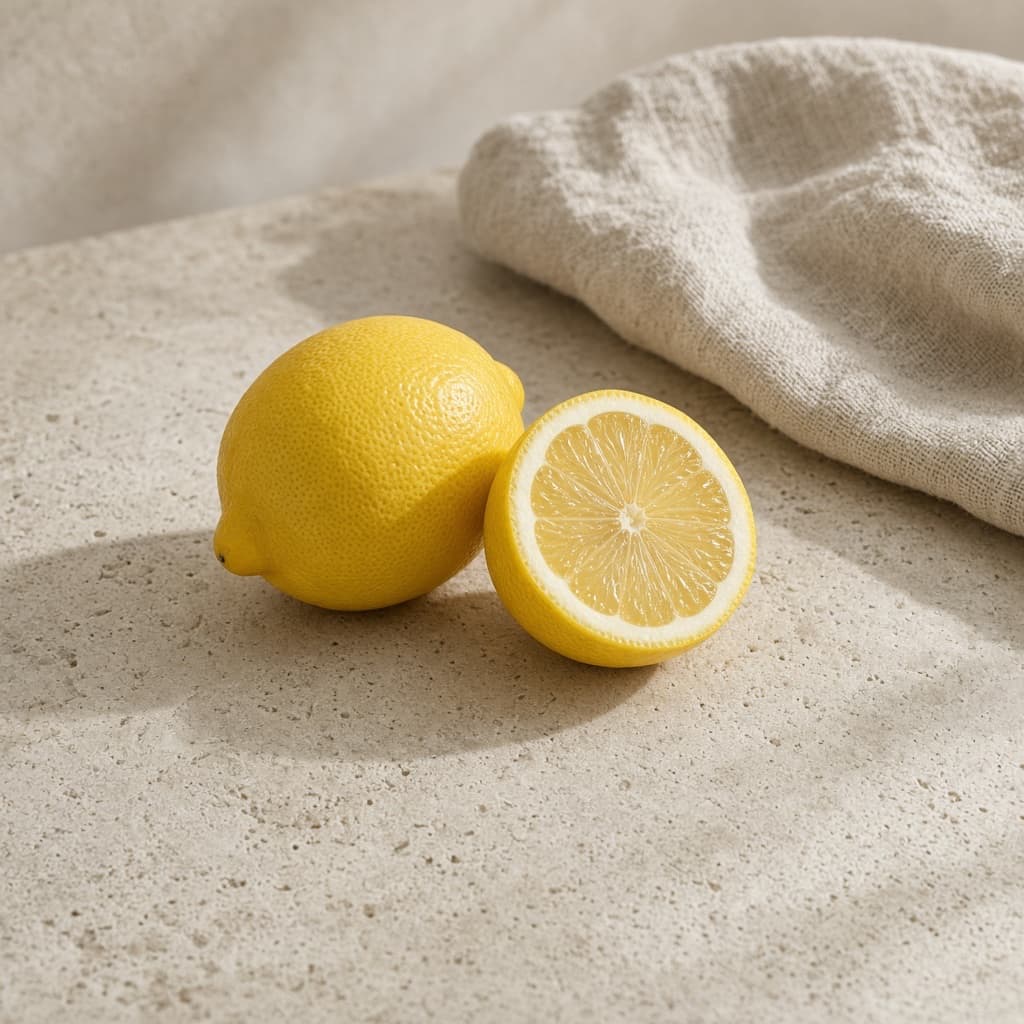
Lemon
Also called citrus lemon
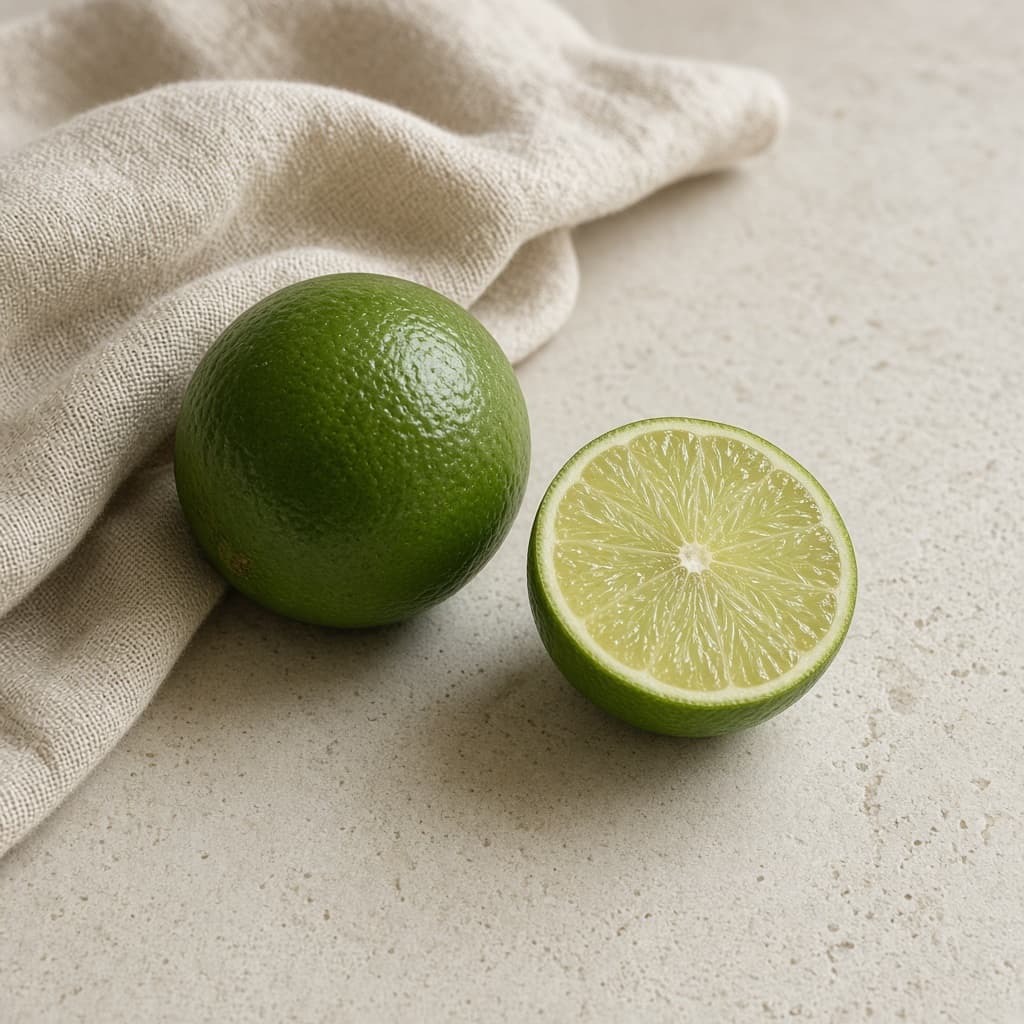
The everyday yellow citrus of Mediterranean cooking: juice for acid, zest for perfume, wedges for the table. It is a different oil profile from lime, and recipes that grew up with lemon taste wrong when you casually swap.
Origin
Bred in Asia and became iconic around the Mediterranean, where lemons met olive oil, fish and grilled meat.
Flavour
Bright, more rounded-sweet than lime, with a bitter pith and a zest that smells of polish and blossom. A waxed supermarket lemon tastes fine once zested; the wax is a nuisance, not a flavour.
How to use it
Zest first, then juice. Zest is oil: it belongs in hummus, baklava syrups, crêpe sugar and a finishing gremolata. Juice is acid: it brightens paella at the table, dresses fattoush and tabbouleh, and stops cut fruit browning. Do not boil juice for a long time unless you want marmalade bitterness. A wedge on souvlaki is for the eater to add; cooking all the juice in will flatten it. Salt and lemon amplify each other — taste twice.
Storage
Room temperature if you will use them soon; fridge for a longer week.
Recipes using it
Checking your allergy settings…