Condiment
Tahini
Also called sesame paste
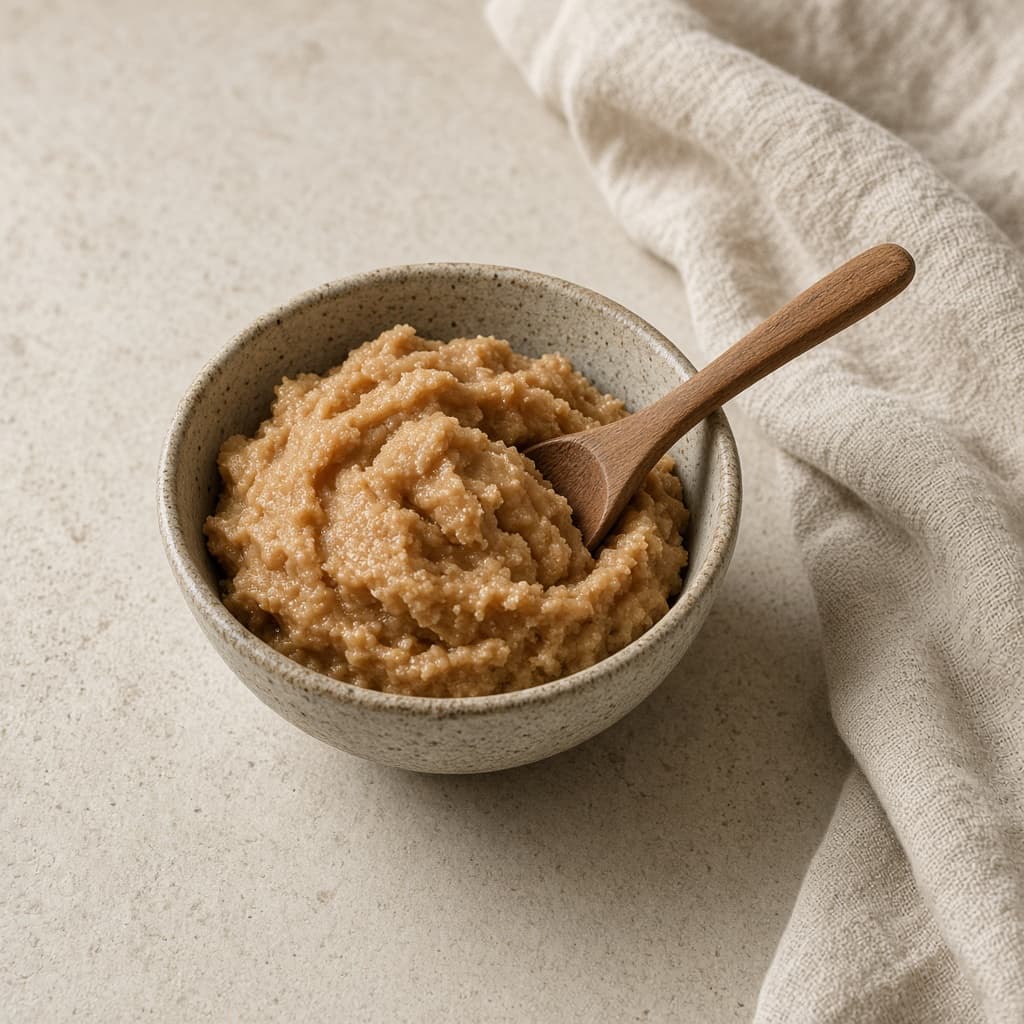
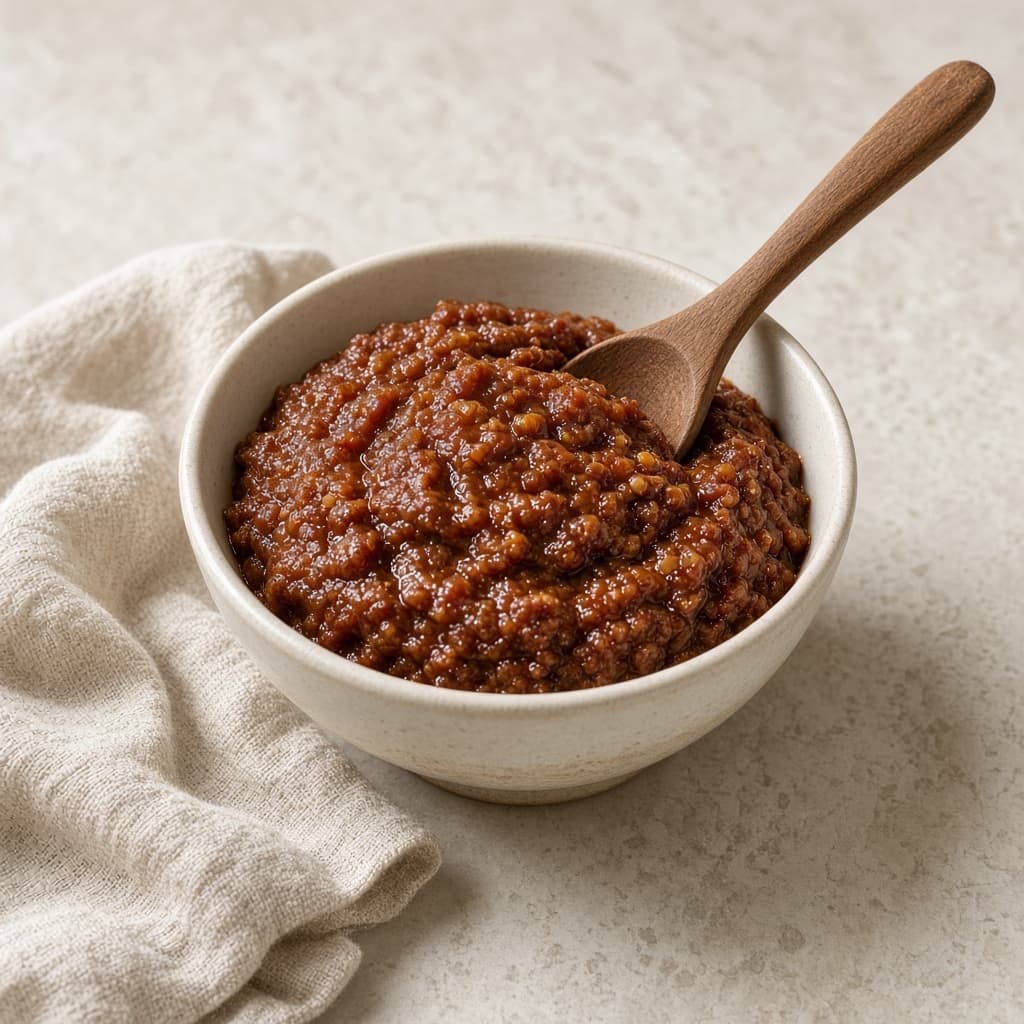
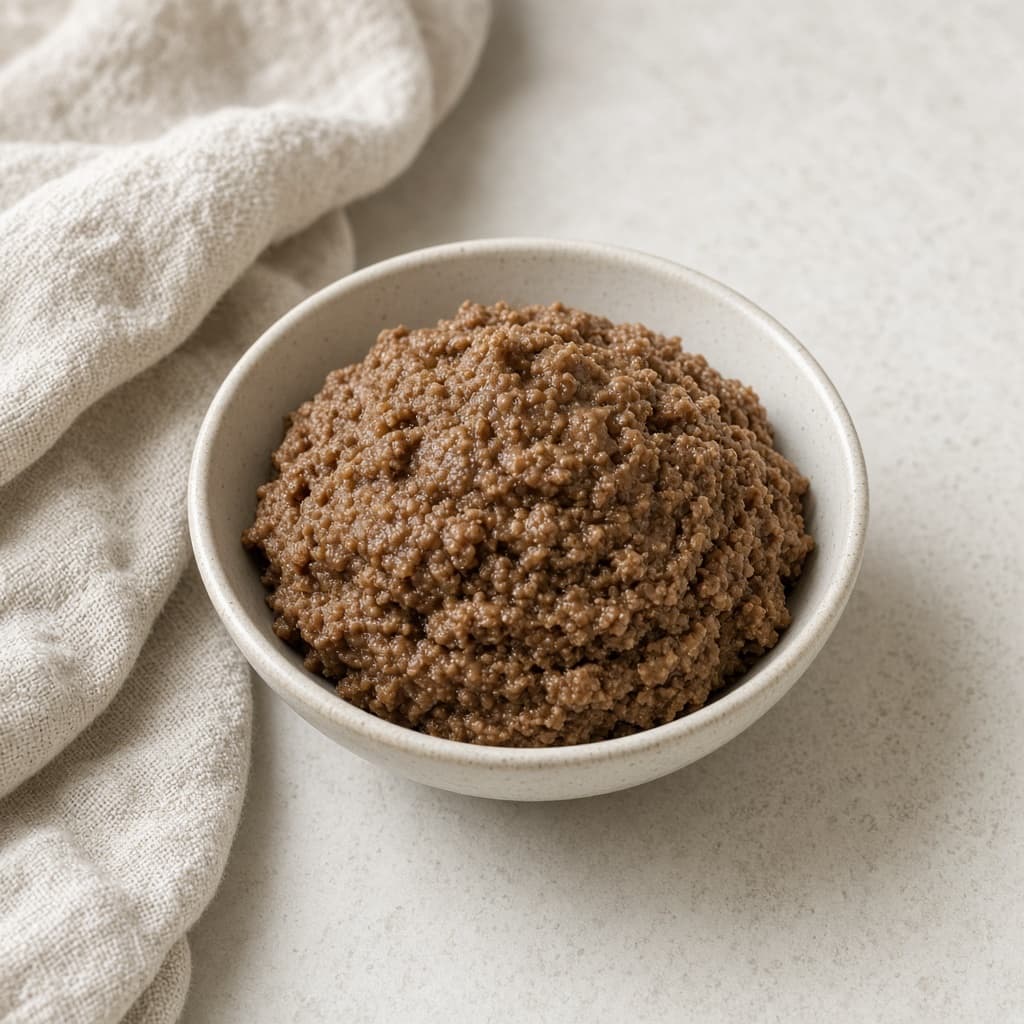
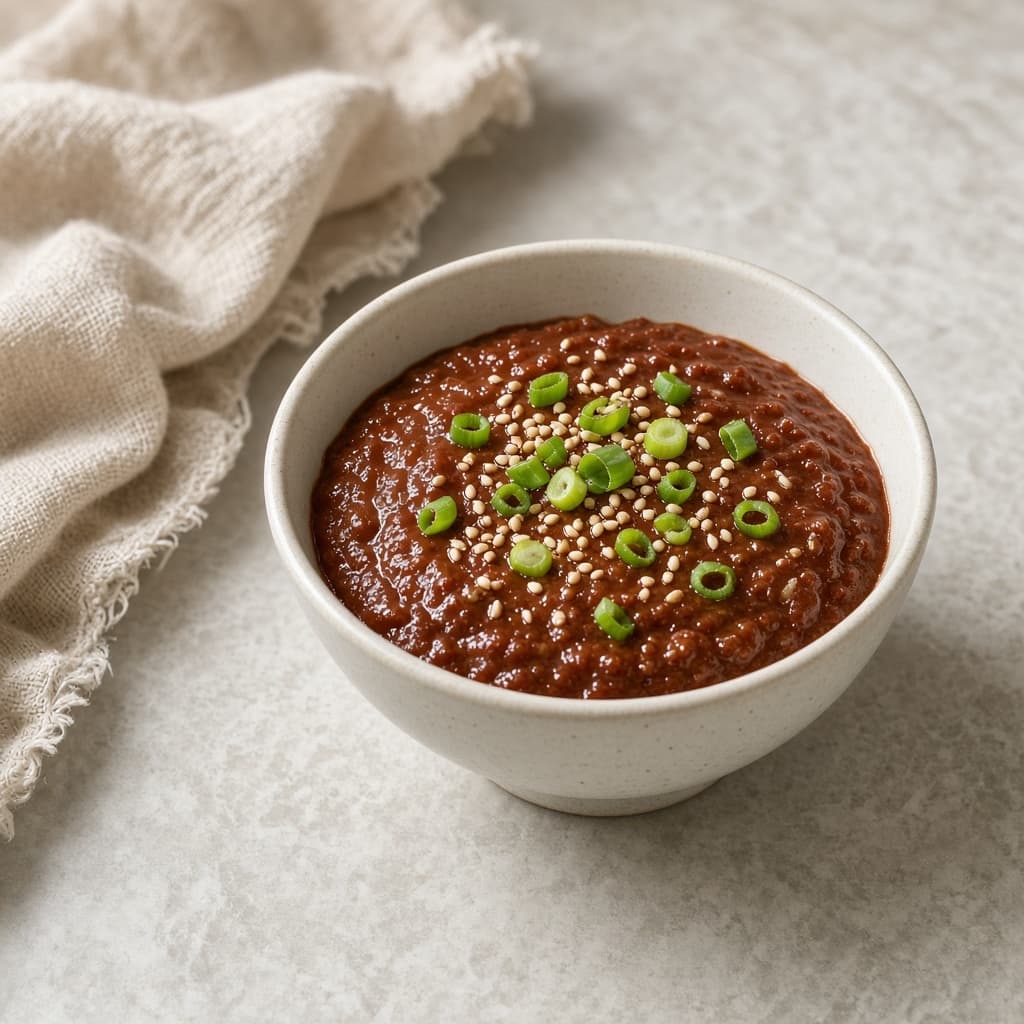
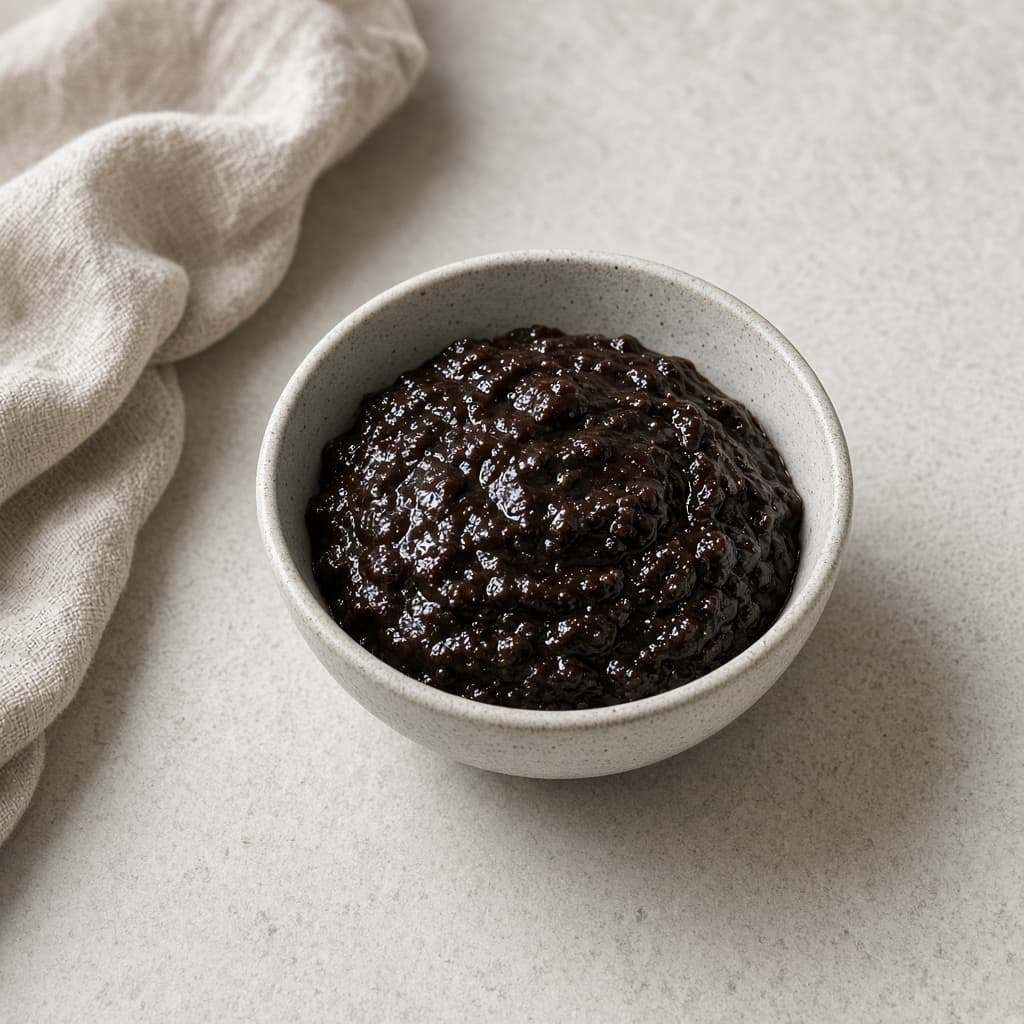
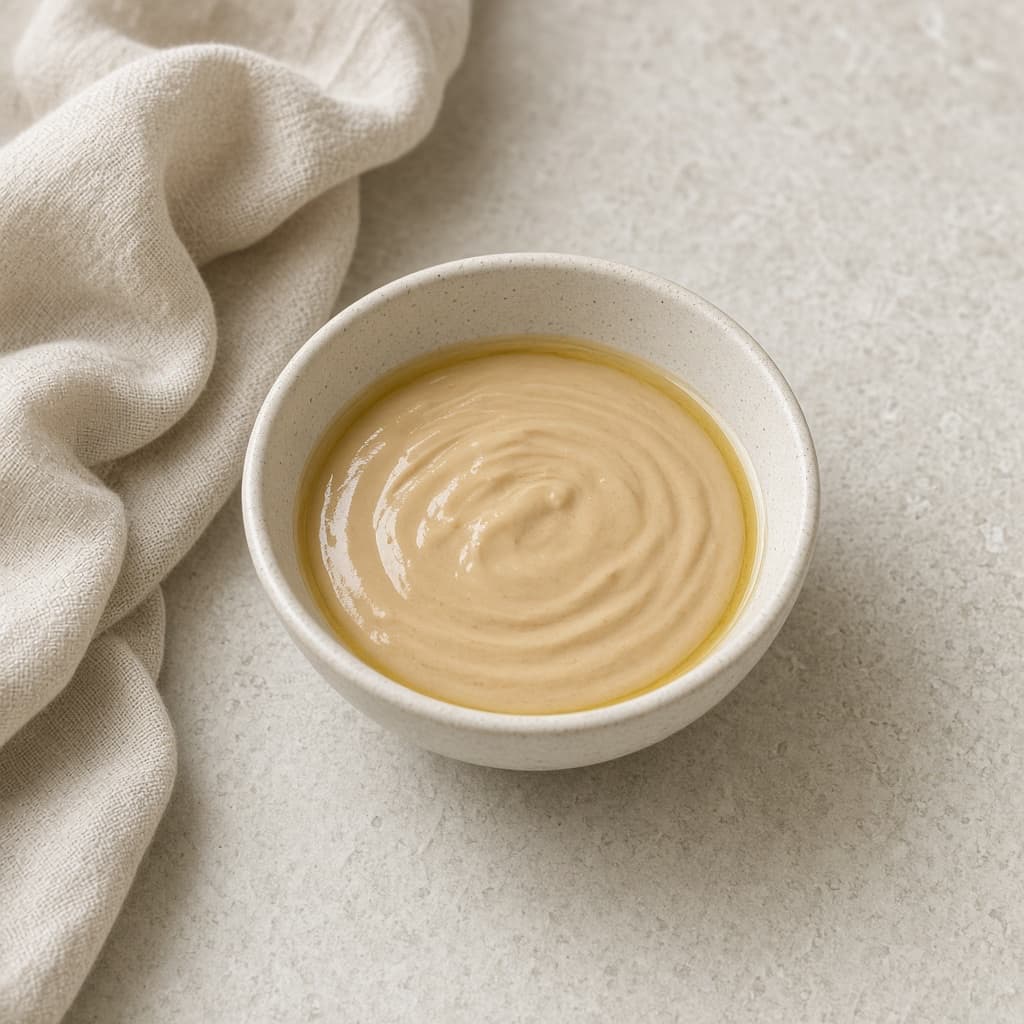
Sesame seeds ground until their own oil turns the solids into a pourable paste. Levantine tahini is usually hulled and pale; Chinese and Japanese sesame pastes are toasted darker.
Origin
Sesame was domesticated in Africa and India, then pressed around the eastern Mediterranean. Table tahini is oldest in Levantine kitchens; darker pastes grew up separately for noodles and sauces.
Flavour
Nutty first, then a clean bitterness and an oily richness. Fresh jars smell of warm seed; stale ones smell of paint.
How it is made
Seeds are soaked or dry-toasted, hulled or left whole, then milled until glossy. Extra oil is unnecessary if the mill is slow.
How to use it
For hummus and tarator, loosen tahini with iced water, not more oil — cold water turns it pale and fluffy. Whisk lemon and garlic in first so the fat does not seize. Taste for bitterness: salt and extra lemon usually rescue a harsh jar. Use darker toasted paste for noodle sauces, thinned with soy and vinegar. Always stir the separated oil back through before you measure, or the first scoop is grease and the last is cement.
Storage
Fridge after opening, lid tight, oil stirred back in. Rancid tahini smells waxy and belongs in the bin.
Recipes using it
Checking your allergy settings…