
 Taste Slovenia
Slovenija
A small Alpine country between Italy, Austria, Hungary and Croatia whose food borrows from all four and keeps its own shape.
Slovenia counts more than twenty food regions in a country you can cross in three hours. The Alpine north eats buckwheat, cured sausage, sauerkraut and dumplings. The Karst and the coast cook with olive oil, air-dried ham, wild herbs and seafood, and share soups such as jota with Trieste. Prekmurje in the east leans towards Hungary, with paprika stews and layered cakes. Dough ties it together: štruklji, žlikrofi, potica and gibanica. Pumpkin seed oil, honey and good wine are local points of pride, and farm inns serve what the farm grows.
4 recipes · 1 cuisine
All dishes 4
- 1 hr 55 min

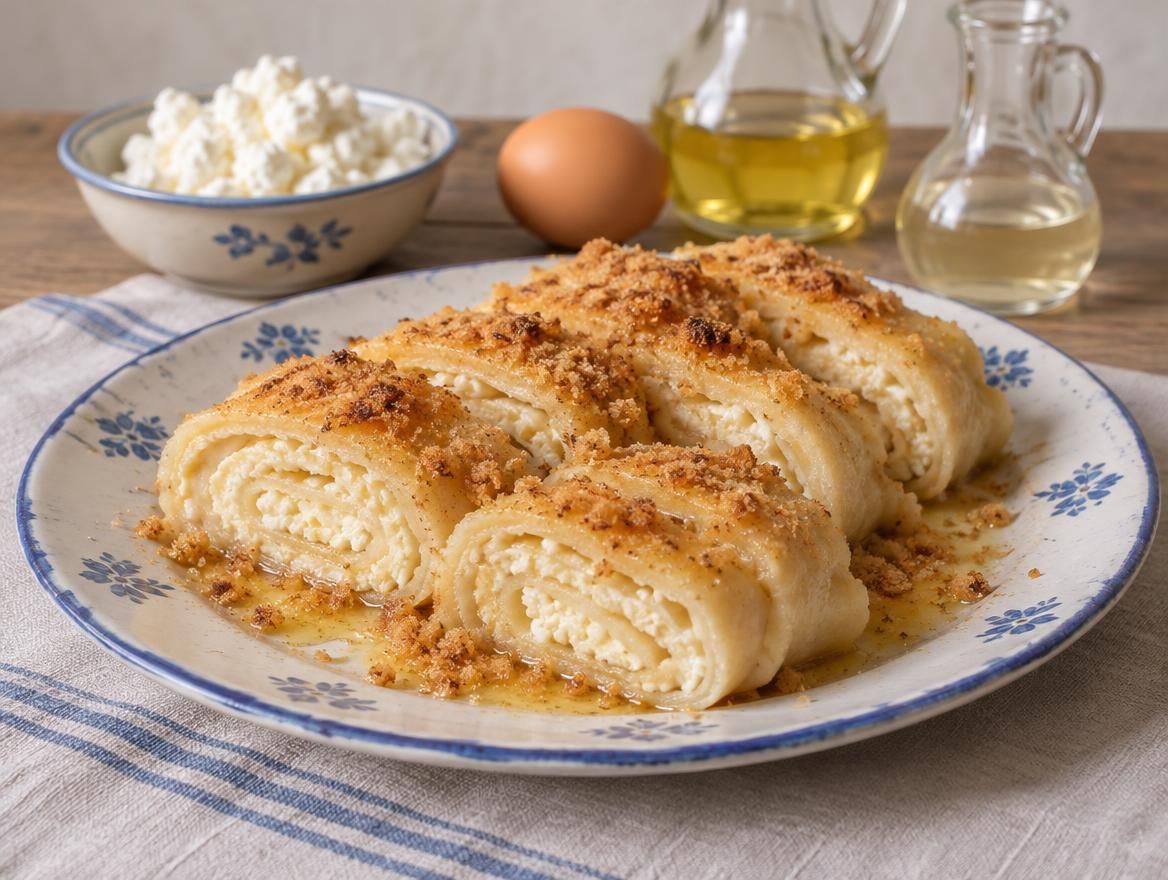
Štruklji
Slovenian rolled dumplings of hand-stretched dough and curd cheese, boiled in a cloth, sliced and served under buttered breadcrumbs.
Medium
- 2 hr 20 min

Jota
A thick Slovenian soup of sauerkraut, beans and potatoes cooked with smoked pork and finished with garlic fried in lard.
Easy
- 4 hr 30 min

Prekmurska gibanica
Slovenian layered cake with poppy seed, curd cheese, walnut and apple fillings, each used twice between sheets of thin pastry.
A bit of work
- 2 hr 40 min

Idrijski žlikrofi
Small hat-shaped Slovenian pasta dumplings filled with potato, onion, bacon, chives and marjoram, served with browned butter.
A bit of work
Regional cuisines
Think you know Slovenia food?
4 quiz dishes. Optional — Passport stamps still come from cooking.
Take the Slovenia food quizFood history
For most of its history Slovenia was part of the Habsburg lands, and its cooking developed as a farmhouse cuisine beneath a Central European town kitchen of strudels, roasts and dumplings. The western edge spent centuries under Venice and later Italy, which shows in pasta, polenta and risotto. Buckwheat, millet and turnips were the old staples; maize, beans and potatoes replaced much of that from the eighteenth century. Since independence in 1991 the country has registered a number of traditional dishes for European protection and built a serious restaurant culture on them.
Common ingredients
Techniques
- stretching dough
- boiling and steaming dumplings
- curing and smoking pork
- fermenting cabbage and turnip
- layered baking