

Matcha latte
抹茶ラテ
Whisked matcha and milk — the drink that left the tea room and moved into every café window in 2025–26.
Recipe by I Want Some Food · Reviewed by the editorial kitchen. Native name preserved: 抹茶ラテ.
0 people cooked this in the public kitchen yet. Kitchen-tested by I Want Some Food. Not a purchased rating.
- Prep
- 5 min
- Cook
- —
- Rest
- None
- Total
- 5 min
- Difficulty
- Very easy
- Spice
- No chilli
- Cost
- Cheap nightUnder $8 USD · indicative, not a store price
About
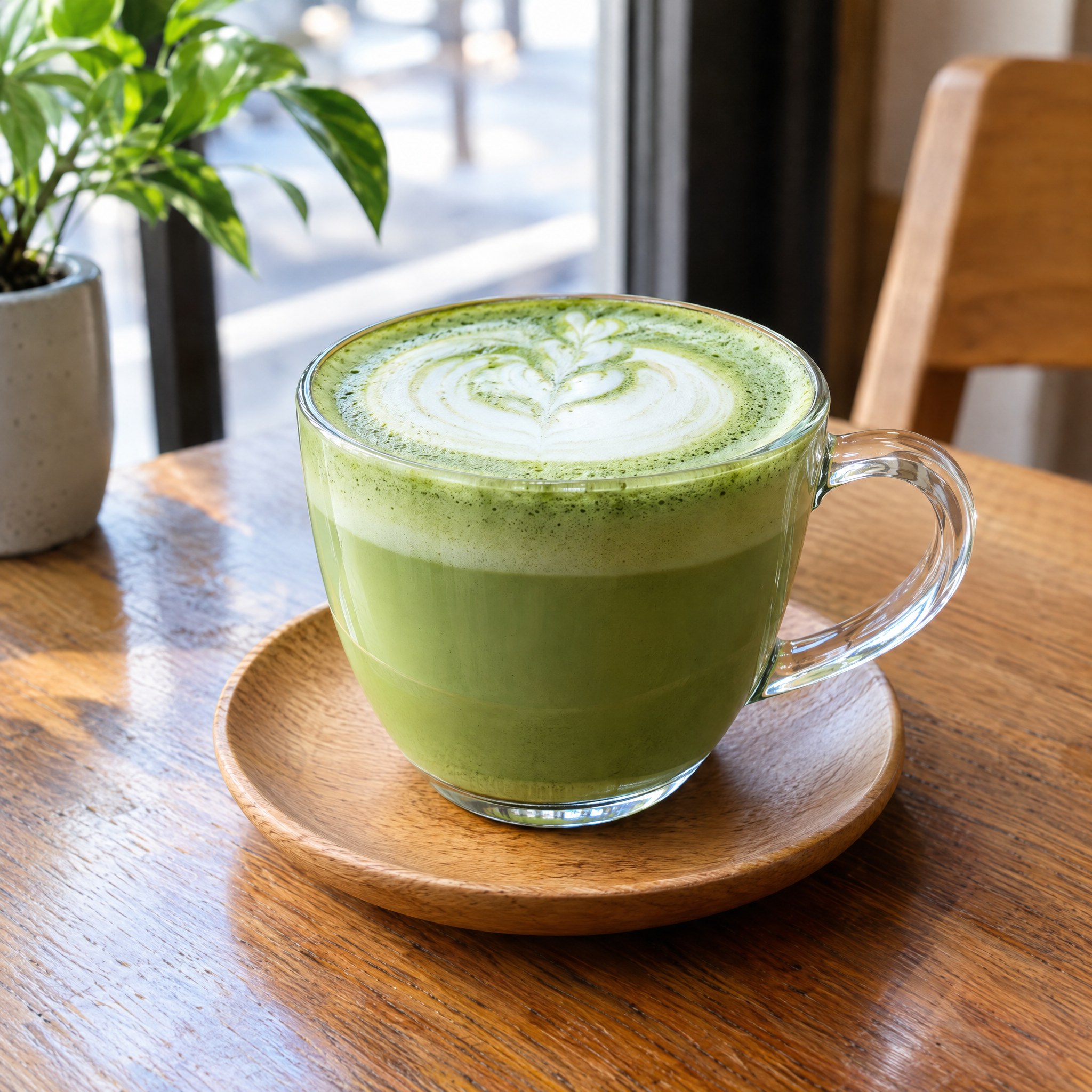
A matcha latte is sifted green tea powder whisked with a little hot water, then loosened with steamed or cold milk. Culinary grade is for this; ceremonial grade is a treat you can also use. It should taste grassy and a little bitter, not like a green milkshake unless you add the syrup everyone actually adds. Sift culinary-grade matcha so it does not clump. Whisk it with a little hot — not boiling — water into a smooth paste, then loosen with steamed or cold milk. Sweeten only as much as you actually want; the drink should stay grassy and a little bitter unless you have chosen the green milkshake on purpose. A handheld frother is the home tool. Ice and cold milk make the café iced version. If it tastes dusty, the powder was old or you did not sift. If it tastes only of vanilla syrup, you hid the tea. Serve at once; matcha settles. This is a café drink, not a tea ceremony. Keep those two practices in different mental rooms even if the powder came from the same plant.
Ingredients
Scaling multiplies the written quantities. Baking still prefers a scale.
Steps
Step 1
Sift matcha into a bowl. Whisk with hot water until completely smooth and slightly foamy.
2 minStep 2
Heat or froth milk. Sweeten if you want. Pour over the matcha, or pour matcha over ice and cold milk.
3 minStep 3
Taste. More powder if it is shy; more milk if it is harsh.
Adapt this recipe
The canonical recipe stays intact. Personal versions are labelled. Serving changes are maths, not AI.
Adaptations · 0 / 15 used. Resets 10 October.
Substitutions
Cow's milk → Oat milk
The viral café texture.
Tips
- Boiling water makes matcha bitter and swampy.
- Oat milk is the café default for a reason — it froths and does not fight the grass.
History & culture
Japan drinks matcha in many forms. The latte is a modern café export that looped back home. Viral again with pistachio and Dubai-chocolate-adjacent sweets. It is a workplace drink and a photograph. At home it is two minutes if the powder is good. People who trained in tea ceremony are allowed to sigh; people who just want breakfast are allowed to heat milk. Both exist in the same city. Sweeteners, oat milk, and whipped cream are café dialect, not Kyoto law. Buy from a shop that sells a lot of tea so the tin is fresh. It is not medicine. It is a green, milky drink with a caffeine lift. Treat it as such. Office flasks, gym queues, and pastry counters all sell green milk now, sometimes next to pistachio chocolate that has nothing to do with a tea room. Ceremony practitioners are allowed to find this irritating. Commuters are allowed to want breakfast. Oat milk and vanilla syrup are café dialect. Buy a tin that turns over quickly so the powder still smells like grass, not dust. It is a caffeinated drink, not a wellness rite.
Powdered tea is centuries old in Japan. Milk on it is a 20th–21st-century café move. The whisk and the bowl belong to a different, older practice that this latte is not. Confusing them is how you get purple prose on a drinks menu. Culinary-grade powder exists because pastry and lattes became a market. That market is the relevant history for this glass. Viral cycles in the 2010s and 2020s sold matcha as a personality. Whisking it at home is participating in the café chapter. You can still buy good tea. You do not need to kneel. Keep the centuries for the ceremony, and the milk for the mug. Chains selling a green milk drink are the relevant institutions, not a temple. That distinction is the whole historical point of this glass. Whisked powdered tea is old in Japan; dairy on it is a coffee-shop century. Culinary-grade tins exist because pastry and milk drinks became a market. Viral cycles sold a personality in green. Ceremony keeps its own room. This glass belongs to chains, offices, and breakfast. That distinction is the historical point.
Modern adaptation
Provenance: Editorial adaptation.
Questions about this recipe
Answers taken from this dish's times, amounts, swaps and tips — not a chatbot.
How long does Matcha latte take?
5 min all in — 5 min prep. Cook and rest follow the method. Leftover storage and optional extra waits are not included.
How many does it serve?
The recipe is written for 1 glass. Scale the ingredient list on the page if you are cooking for a different number.
How hard is it?
Very easy.
How spicy is it?
No chilli.
What allergens should I watch?
This recipe is labelled for Milk. Labels are informational — check the packets in your kitchen. This is not medical advice.
Does it fit a diet?
The published recipe is labelled Vegetarian, Gluten-free.
What does it cost to cook?
Cheap night — about Under $8 USD, as a grocery budget for this recipe, not a restaurant price.
What equipment do I need?
Mixing bowl.
How much salt do I put in?
This recipe does not list a salt amount. We will not invent one.
How much sugar?
1 tsp (optional) of Sugar.
What can I use instead?
Cow's milk → Oat milk. The viral café texture.
Any tips from this recipe?
Boiling water makes matcha bitter and swampy. Oat milk is the café default for a reason — it froths and does not fight the grass.
Can I use an air fryer?
This method is not written for an air fryer. The core technique on the page still applies.
Similar dishes
Checking your allergy settings…