
 Taste Iceland
Ísland
A volcanic island in the North Atlantic that eats from the sea and the sheep, with very little grown in between.
Icelandic home cooking rests on fish, lamb and dairy. Haddock and cod are boiled, fried, dried into hard strips to eat with butter, or mashed with potato. Lamb, raised loose on the highlands all summer, goes into soup, is smoked for Christmas or is roasted on Sundays. Skyr, a thick strained cultured milk, is eaten daily. Vegetables are the ones that survive the climate: potato, swede, carrot, cabbage, plus tomatoes and cucumbers from geothermally heated greenhouses. Bread is dark rye, sometimes steamed in hot ground, or thin flatbread. The famous fermented shark is a midwinter ritual, not dinner.
3 recipes · 1 cuisine
All dishes 3
- 50 min

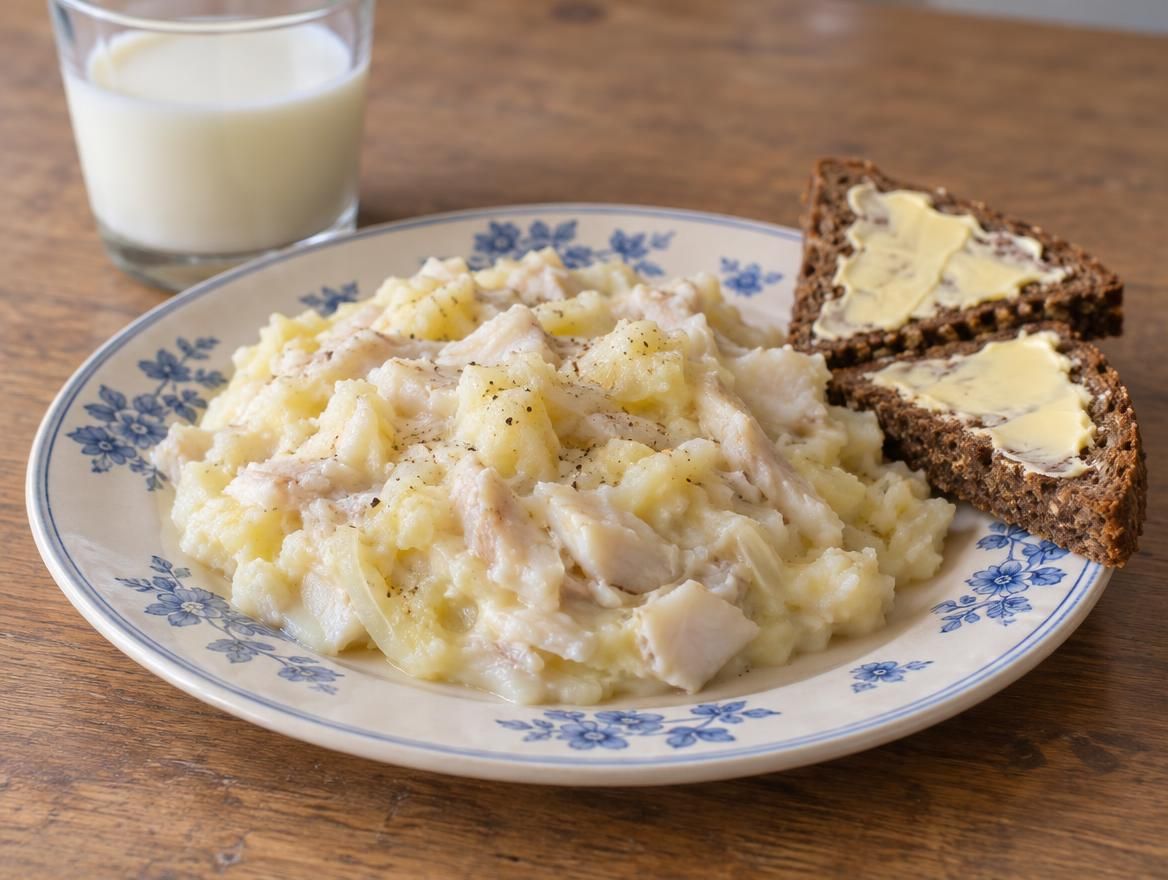
Plokkfiskur
Icelandic fish and potato mash: flaked poached haddock or cod stirred with boiled potato and onion into a thick white sauce, eaten with buttered rye bread.
Easy
- 1 hr 50 min

Kjötsúpa
Icelandic lamb soup: bone-in lamb simmered with swede, carrot, potato, cabbage and leek in a clear broth, thickened only by a handful of rice or oats.
Easy
- 11 hr 15 min

Rúgbrauð
Dark, sweet, crustless Icelandic rye bread, stirred together as a batter with buttermilk and golden syrup and steamed in a sealed tin in a very low oven overnight.
Easy
Regional cuisines
Think you know Iceland food?
3 quiz dishes. Optional — Passport stamps still come from cooking.
Take the Iceland food quizFood history
The settlers of the ninth and tenth centuries brought sheep, cattle and Norse ways of preserving food. With little salt and little fuel, they kept meat and fish by drying, smoking with dried sheep dung, and pickling in soured whey. Grain barely ripened and was imported, so bread was scarce for centuries. Danish rule brought potatoes, sugar, coffee and a taste for sauces and cakes. Fishing wealth and refrigeration in the twentieth century made fresh food normal. The old preserved foods survive mainly at Þorrablót, the midwinter feast, and modern Icelandic restaurants have built on lamb, fish and wild herbs.