
 Taste Malta
Malta
A small, crowded archipelago between Sicily and North Africa with a kitchen that borrows from both and from every power that held its harbours.
Maltese cooking is Mediterranean peasant food with a few surprises. Rabbit is the national meat, fried in garlic and wine or stewed. Pasta is baked in deep trays, sometimes inside a pastry crust. Bread is a crusty sourdough, rubbed with tomato paste and oil and piled with tuna, capers and olives. Pastizzi, flaky ricotta or pea pastries, are sold on every corner. Vegetables are stuffed or turned into thick soups with broad beans and small fresh cheeses. Fish follows the season, above all lampuki in autumn. Tomato paste, capers, garlic, olives and wine season almost everything.
3 recipes · 1 cuisine
All dishes 3
- 6 hr

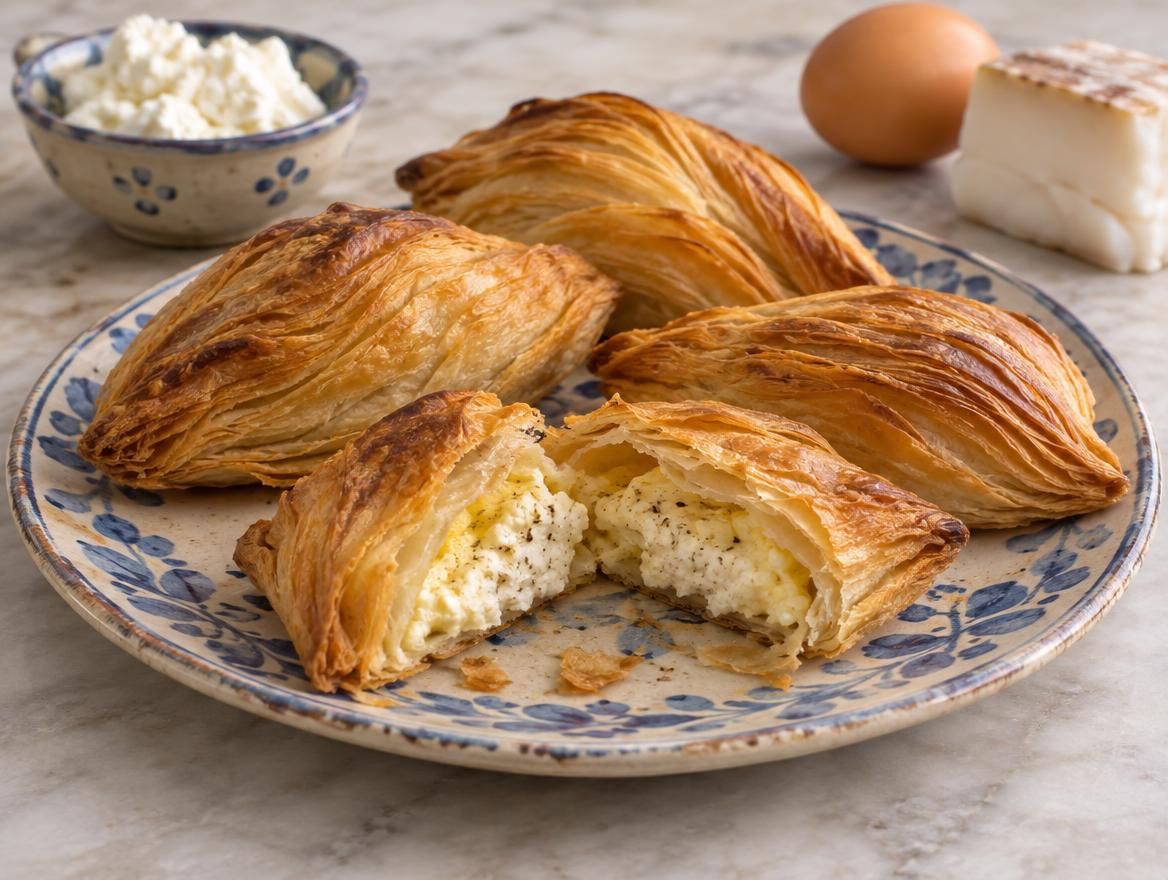
Pastizzi
Maltese street pastries: a stretched, fat-layered dough rolled into a rope, cut and opened into a shell around seasoned ricotta, baked until it shatters.
A bit of work
- 10 hr 20 min

Stuffat tal-fenek
Maltese rabbit stew: jointed rabbit marinated in red wine, garlic and bay, browned and simmered slowly with tomato, onion, carrot, potato and peas.
Medium
- 2 hr 45 min

Timpana
Maltese baked macaroni pie: pasta in a meat and tomato sauce bound with egg and cheese, sealed inside a pastry crust and baked until it slices clean.
Medium
Regional cuisines
Think you know Malta food?
3 quiz dishes. Optional — Passport stamps still come from cooking.
Take the Malta food quizFood history
Malta's position made it a prize, and its food records the owners. Arab rule in the early Middle Ages shaped the language and left citrus, figs, spices and sweet pastries filled with dates. Sicilian and Aragonese rule tied the islands to southern Italian cooking, which still supplies the pasta, the ricotta and the baked dishes. The Knights of St John brought French and Spanish tastes and money. A century and a half as a British naval base added tea, pies, roast dinners and a liking for corned beef. Village cooking stayed frugal, seasonal and tied to the church calendar.
Common ingredients
Techniques
- slow stewing
- baking pasta
- stretching and layering pastry
- stuffing vegetables
- frying in garlic and wine