Condiment
Miso
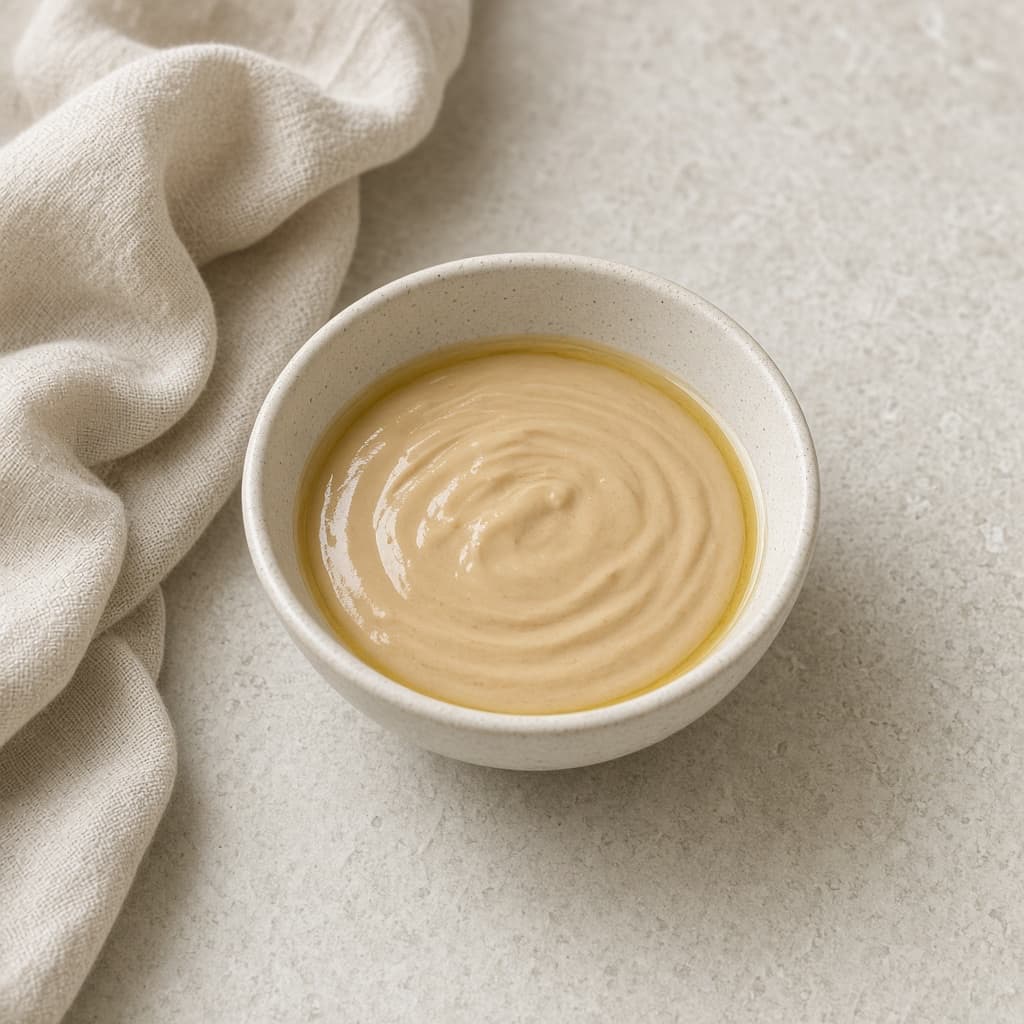
Also called white miso, shiro miso
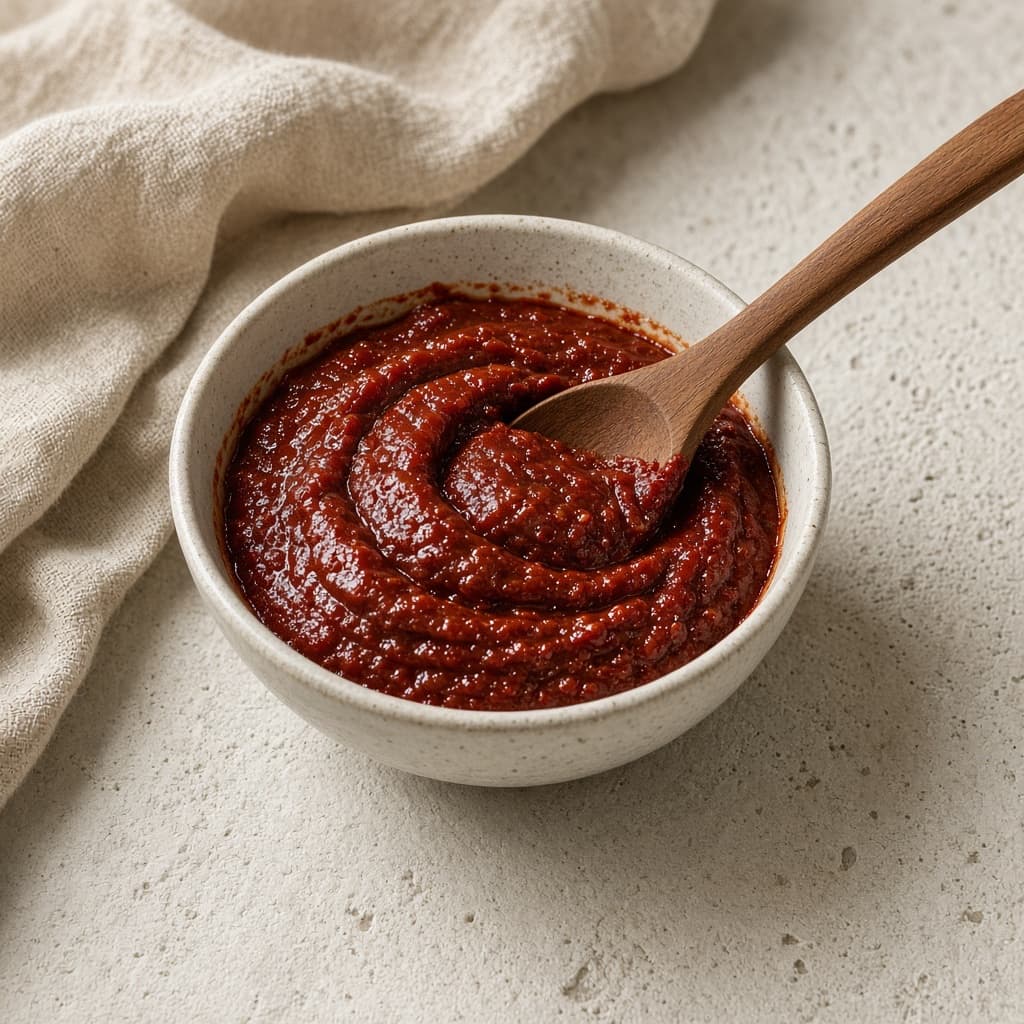
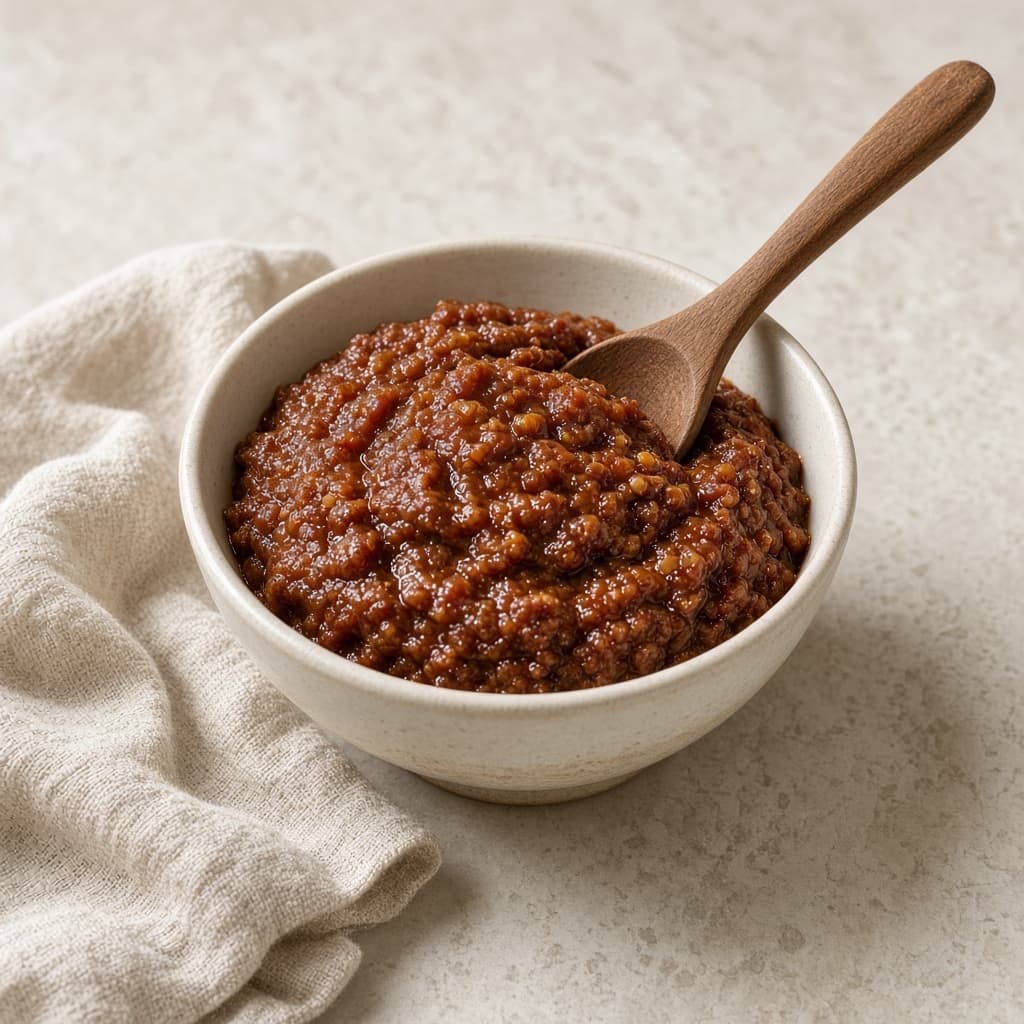
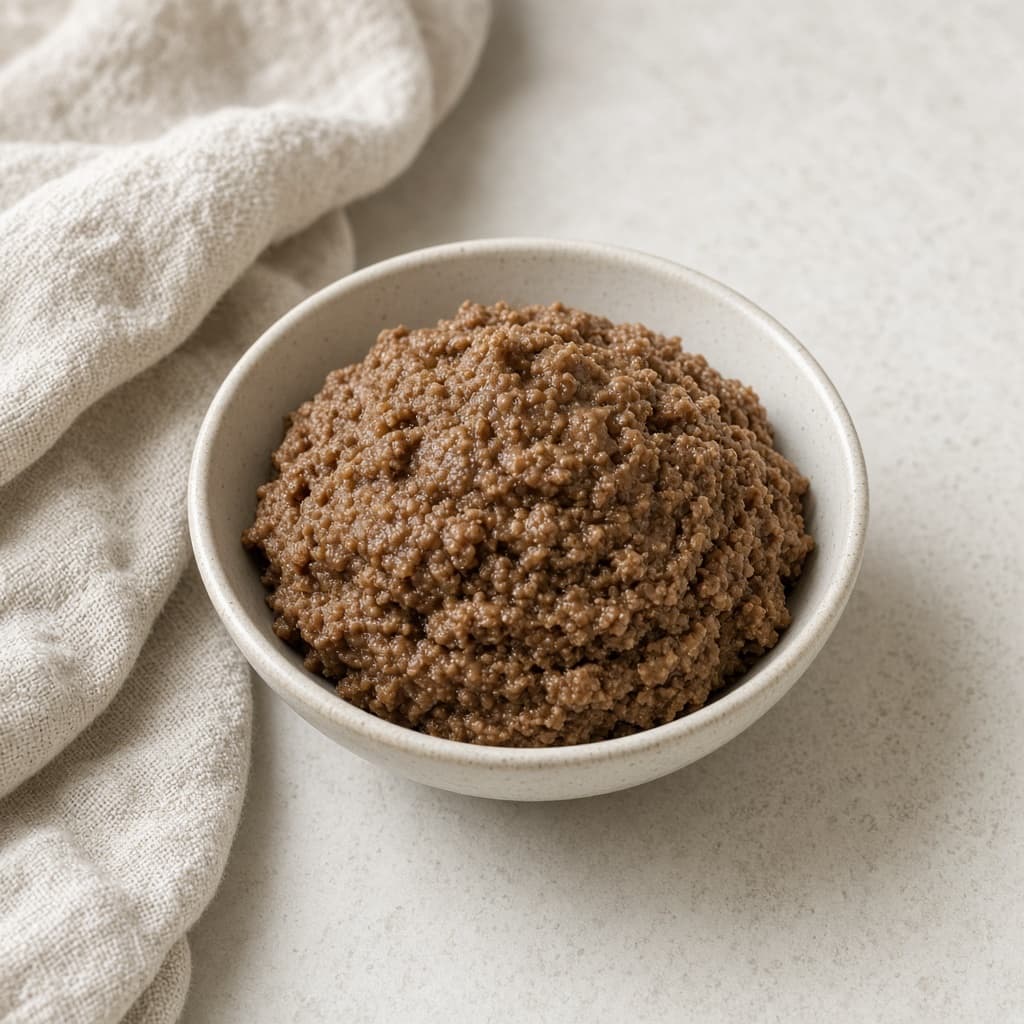
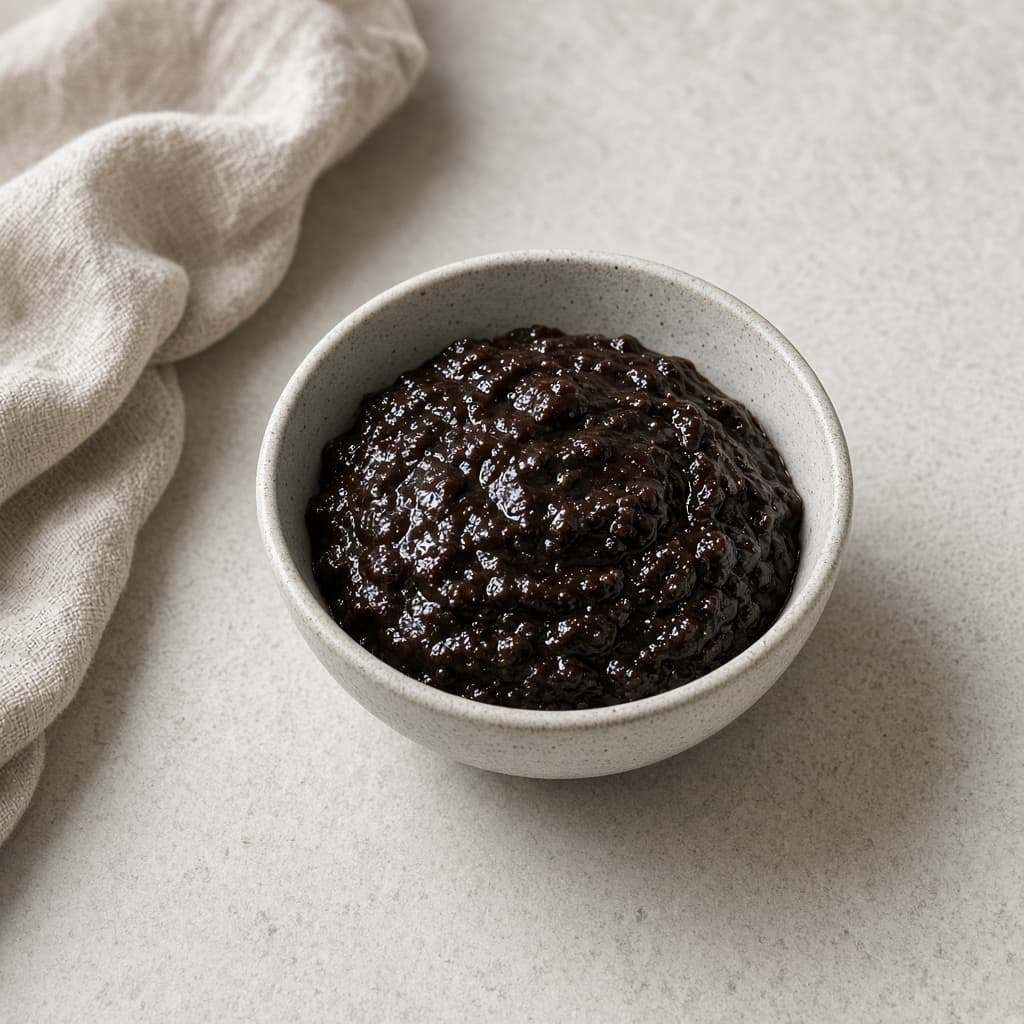
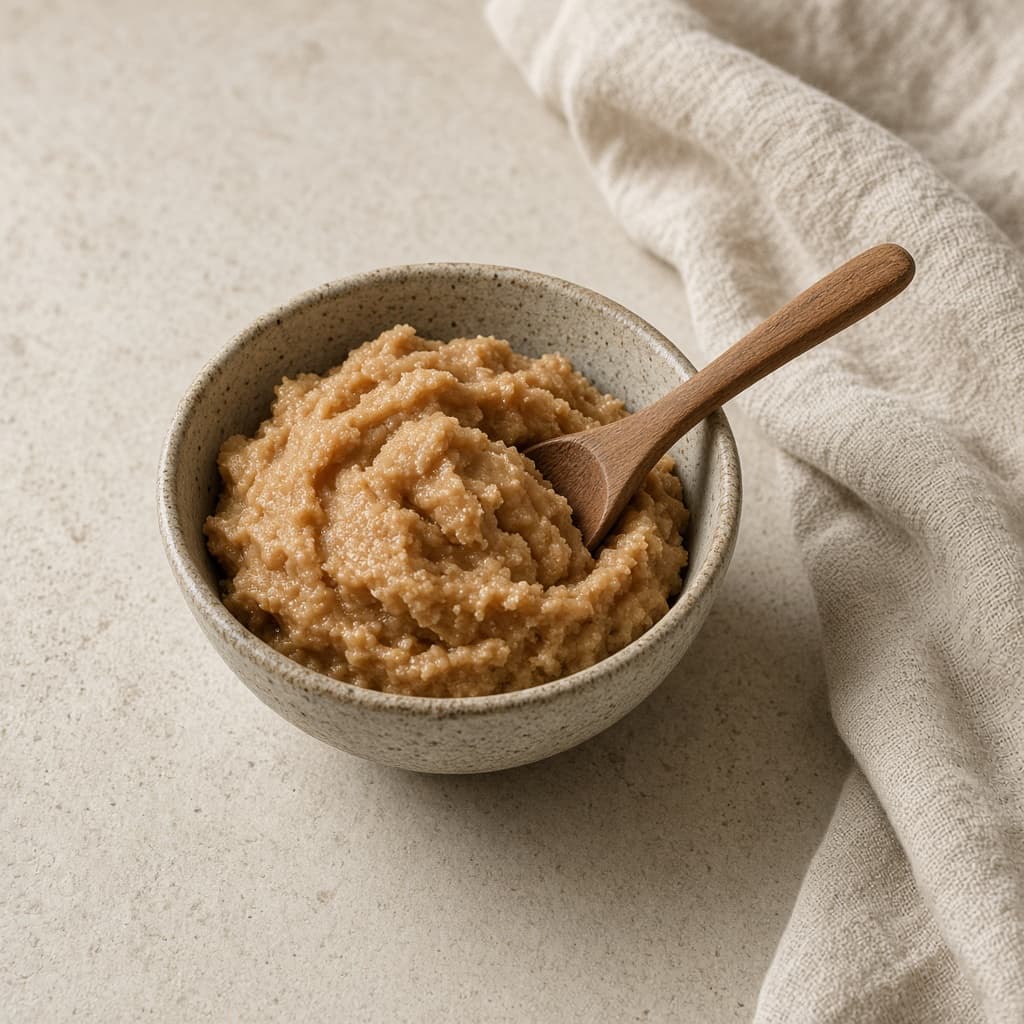
A Japanese paste of soybeans fermented with koji — usually rice koji for shiro (white) miso. White miso is sweeter; red and hatcho are deeper and less forgiving.
Origin
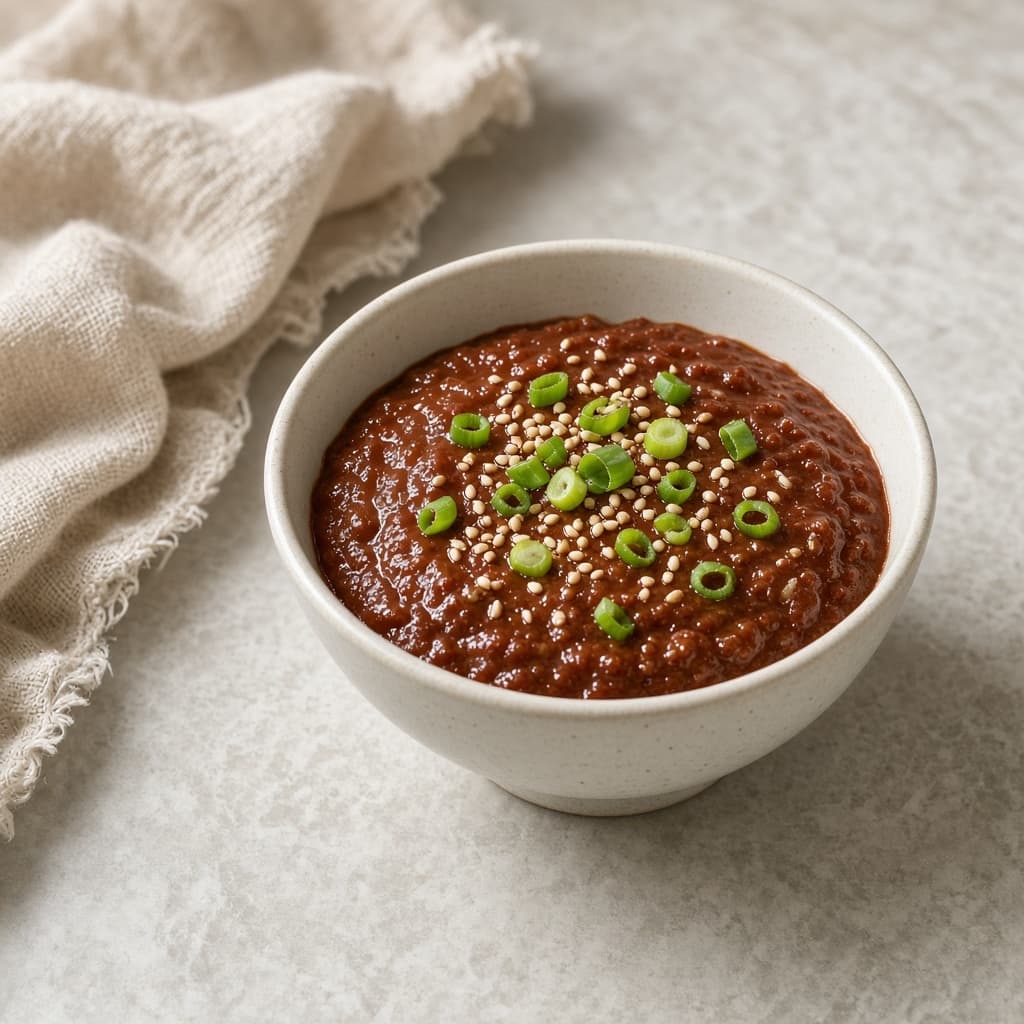
It grew out of Chinese fermented soybean pastes and became a Japanese daily seasoning, different from Korean doenjang and Sichuan doubanjiang in grain, chilli and salt.
Flavour
Salty, sweet, earthy. A tinny, harshly salty paste has been padded.
How it is made
Koji mould is grown on rice, barley or soy, then mixed with cooked soybeans and salt and aged. Unpasteurised miso stays more aromatic.
How to use it
Whisk miso into liquid that is hot but not boiling — a rolling boil dulls the aroma. For miso soup, dissolve it in a ladle of dashi first, then return it to the pot off the heat. A spoon seasons dressings and glazes; thin it with mirin or sake so it coats. White miso is the one to start with. Do not swap gochujang or doubanjiang for it — no chilli, different ferment. There is no useful dried-spice substitute.
Storage
Fridge, with paper or a flat lid pressed on the surface so it does not dry out.
Recipes using it
Checking your allergy settings…