

Pantry
Korean rice wine
미림
Also called mirim, mirin, cheongju, cooking rice wine, 맛술
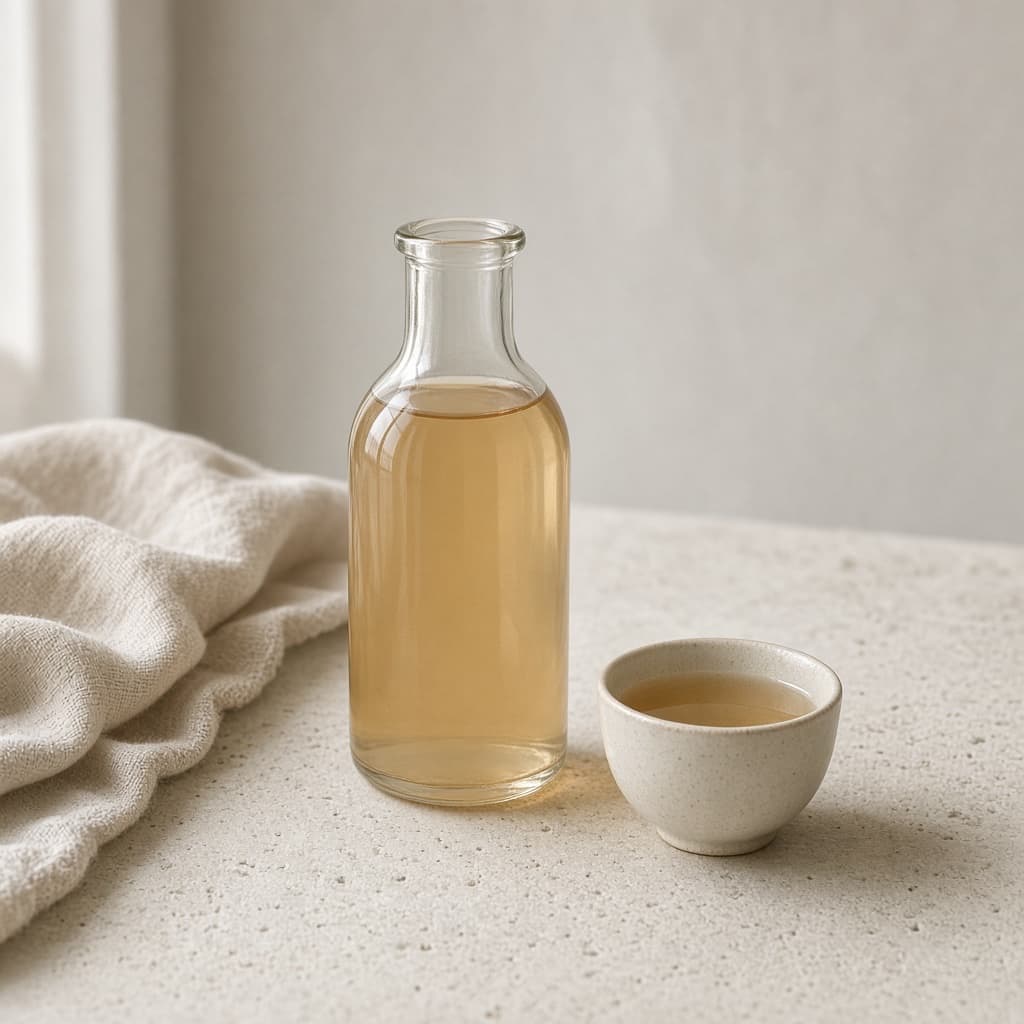
A sweet cooking wine from fermented rice — Korean mirim or cheongju, Japanese mirin. Grocery “맛술” is usually mirim: sweet, low-alcohol, meant for the pan, not the glass.
Origin
East Asia, where rice fermentations became both drinks and kitchen wines. Korean home cooking typically reaches for mirim; drinking cheongju is cleaner and less sugary.
Flavour
Sweet, faintly fermented, with a soft rice warmth. Cheap cooking wine can taste only of sugar and spirit. Good mirin has a rounded glaze quality.
How it is made
Rice is saccharified with koji, then fermented. True hon-mirin is a fermented wine; many cooking bottles are spirit plus sugar plus rice flavour. Korean mirim sits in that cooking-wine family.
How to use it
A splash in bulgogi, galbi and chicken marinades lifts the meat smell and helps browning. Add it with soy and sugar, not as a lonely shot in a dry pan. In stews it rounds salt. If you only have dry sake or cheongju, add a pinch of sugar to approximate mirim. Do not reduce a cup of it hoping for a Western wine sauce — it is sweeter and will go sticky. Shaoxing is a different flavour and a poor one-for-one.
Storage
Pantry until opened, then fridge. It keeps for months.
Recipes using it
Checking your allergy settings…